.webp)
Written by:
Pierce J
Published:
May 22, 2026
Packing for a move doesn't have to be overwhelming. Follow our room-by-room guide to pack smarter, protect your belongings, and make moving day a breeze.
Most people don't realize their move went wrong until moving day — when boxes are bursting at the seams, fragile items are rattling around, and nobody can find the box with the coffee maker. Knowing how to pack for a move before you tape up a single box can be the difference between a smooth transition and a chaotic, expensive mess.
Whether you're moving across town or across the country, the packing process deserves just as much attention as booking your movers or securing your new home. This room-by-room guide will walk you through exactly how to approach it — practically, efficiently, and without losing your mind.
The biggest packing mistake people make is starting too late and skipping the planning phase. A little preparation upfront saves hours (and headaches) later.
Before you start, gather everything you'll need. Running out of tape mid-pack is a frustrating setback. Stock up on:
Many moving companies — including our team at Hustle and Muscle Moving — can advise you on how many supplies you'll realistically need based on your home size.
There's no reason to pay to move things you don't want. Walk through every room and sort items into three categories: keep, donate, and toss. If you're dealing with a large volume of unwanted items, junk and trash removal services can handle the heavy lifting so you're only packing what matters.
Label every box with two things: the room it belongs to and a general description of the contents. Color-coded tape or markers by room make unloading faster — your movers will know exactly where every box goes without having to ask.
Every room in your home has its own packing challenges. Here's how to handle each one with confidence.
The kitchen is typically the most time-consuming room to pack because of the sheer variety of items — fragile glassware, heavy appliances, awkwardly shaped cookware, and perishables. Start here first.
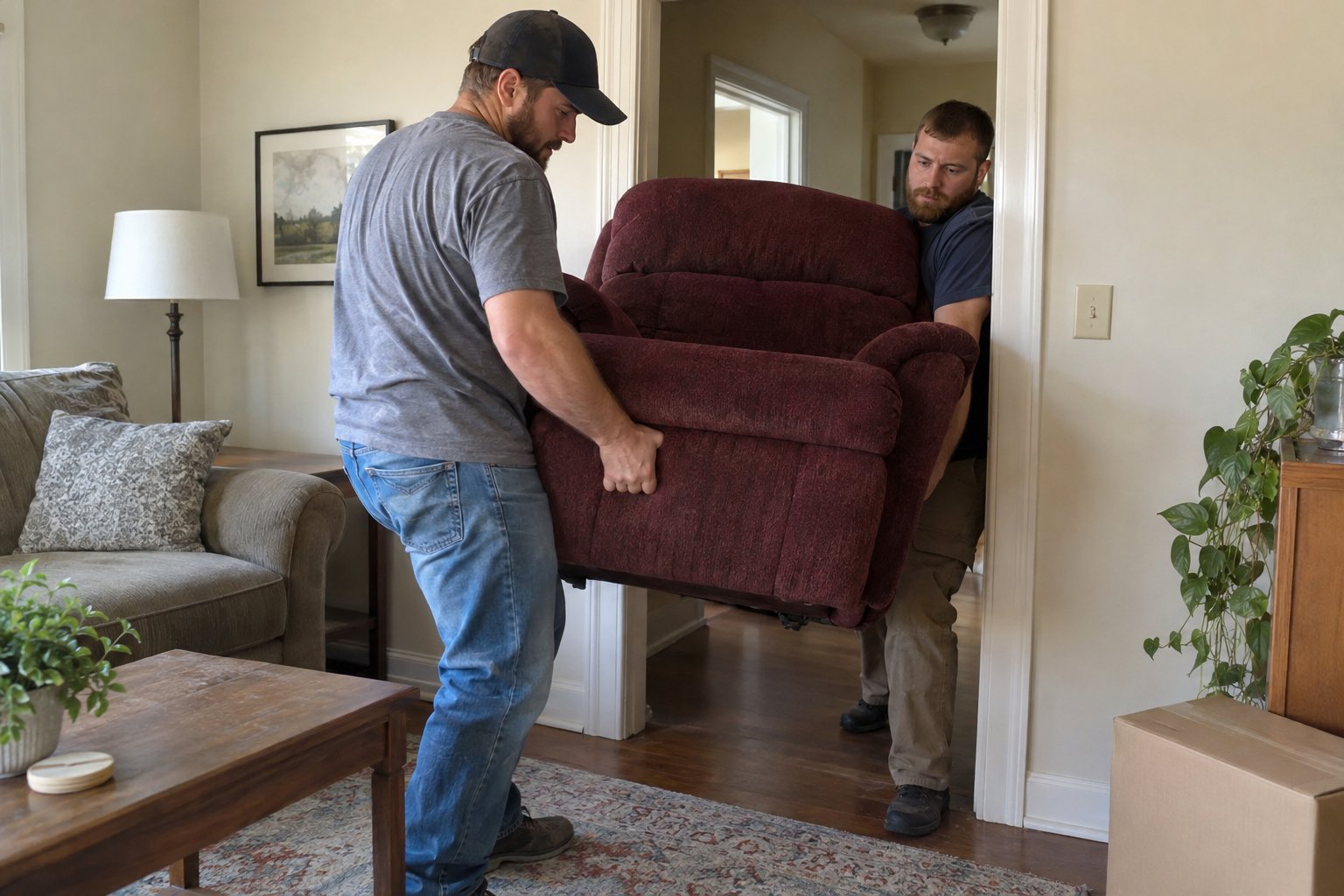
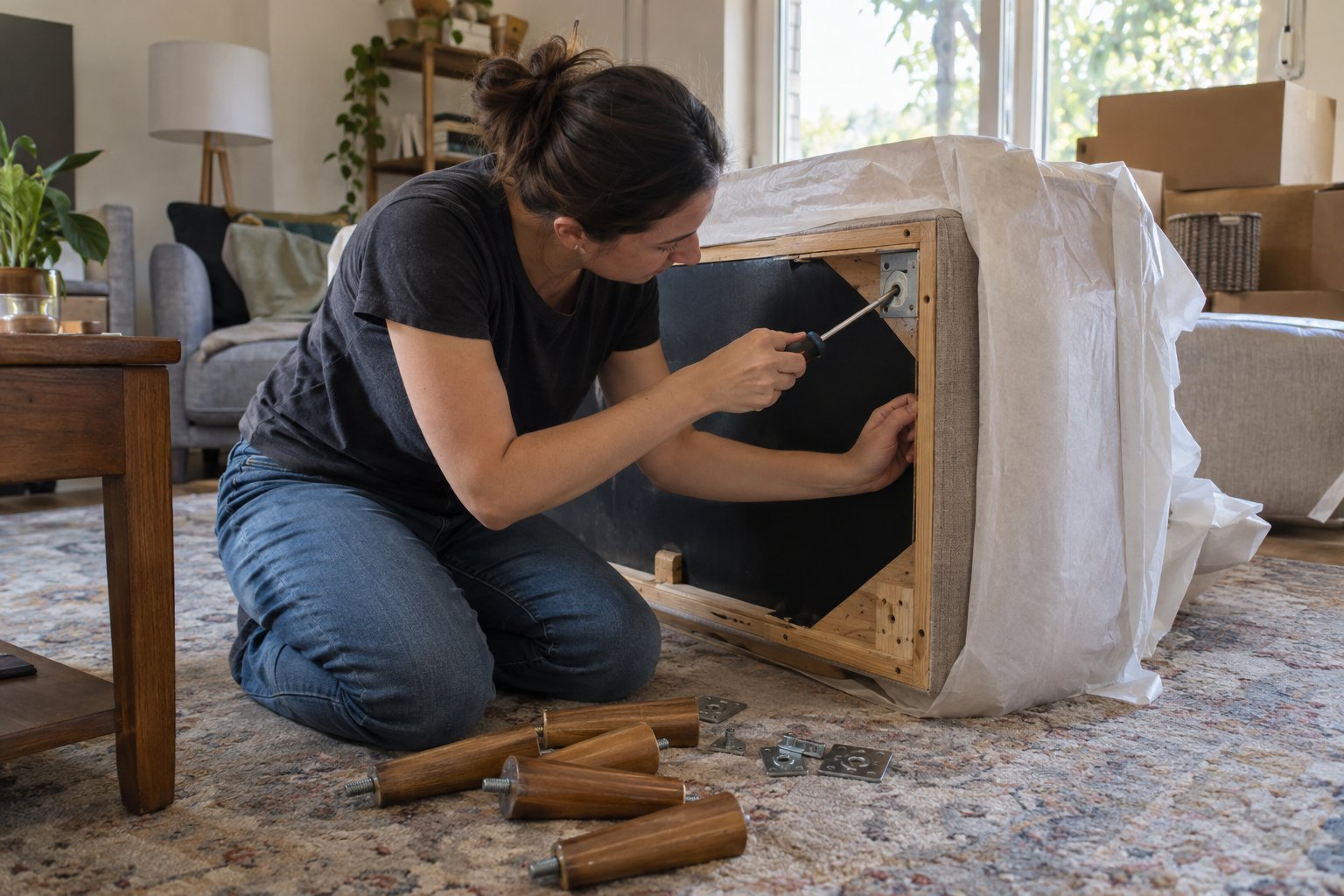
Living rooms typically hold a mix of large furniture, electronics, and sentimental décor. Take your time here.
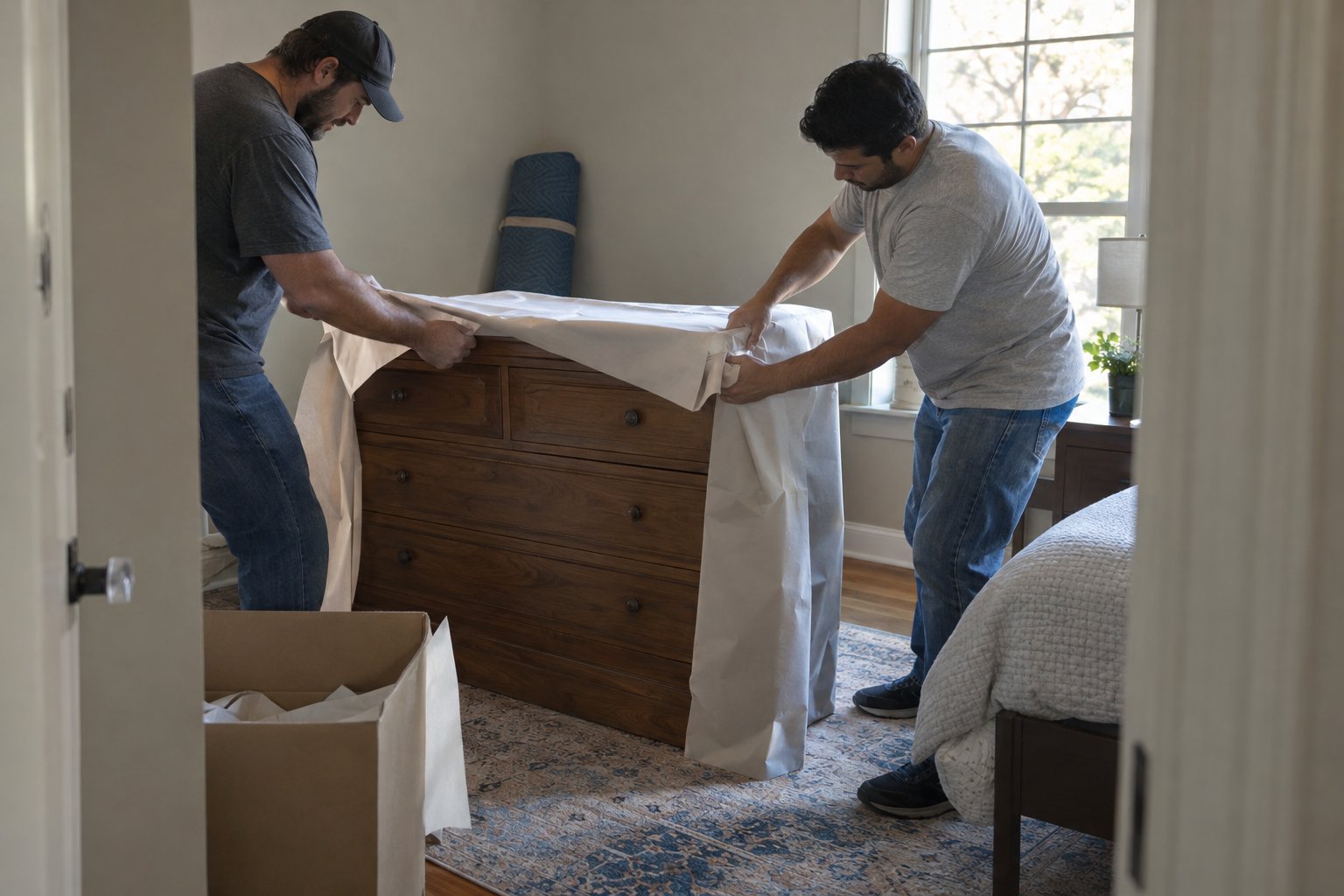
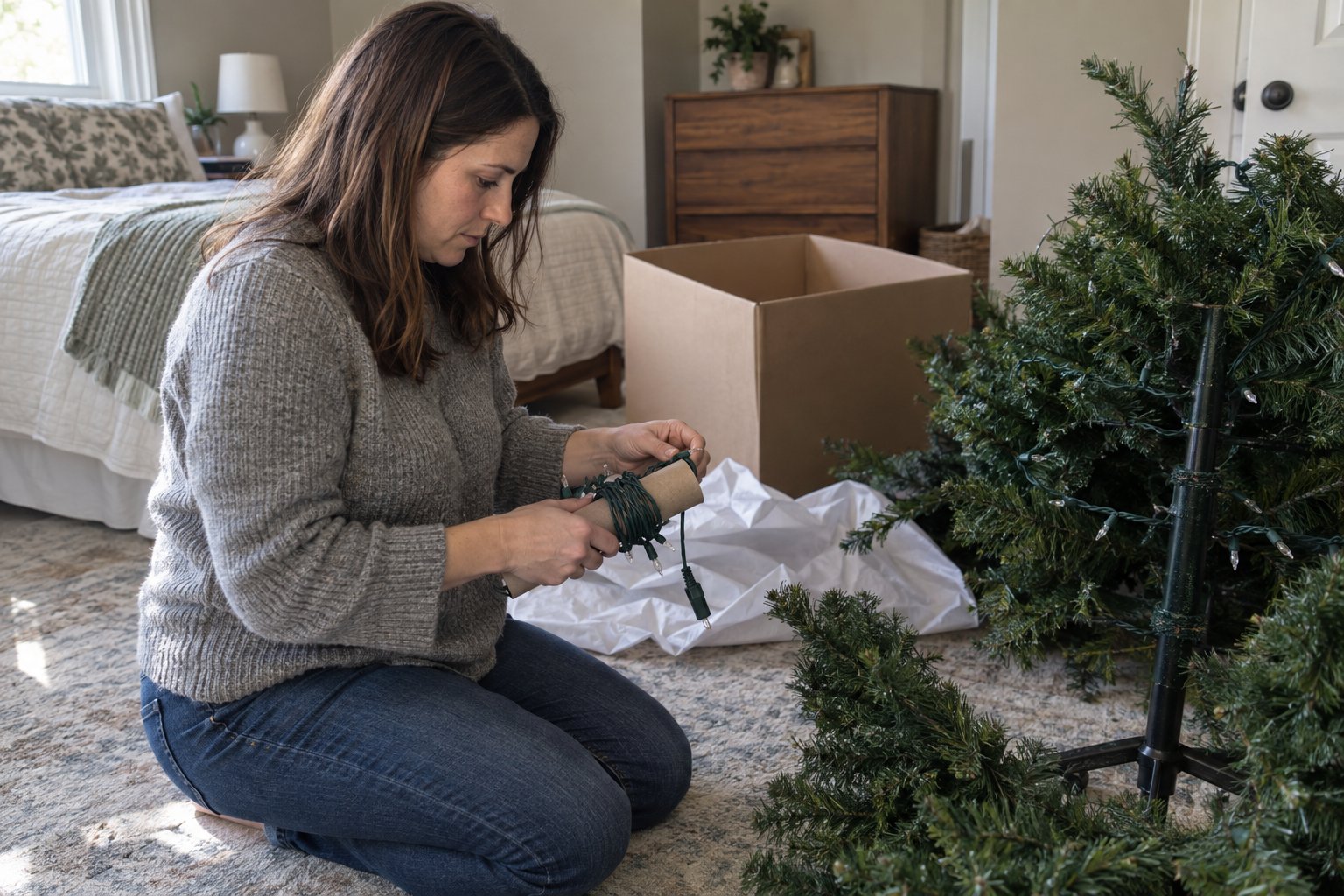
Bedrooms are often easier to pack than kitchens, but there are still smart strategies worth using.
Bathrooms are small, but they're full of liquids, medications, and products that can spill or expire.
Garages and storage rooms tend to be cluttered with tools, seasonal items, and forgotten odds and ends. Give yourself extra time here.
Some belongings don't fit neatly into a box — and trying to force them can result in damage or injury. Items like pianos, pool tables, safes, and yes, even hot tubs require a different approach entirely.
If you're dealing with oversized or unusually heavy items, it's worth reading our guide on specialty moving services to understand what's involved and how professionals handle these situations safely.
Heavy items that are mishandled are a leading cause of moving injuries and property damage. Don't risk it — know when to call in the right help.
Beyond the room-by-room breakdown, here are some practical tips that experienced movers swear by:
Packing is a lot of work, and sometimes you simply don't have the time, energy, or manpower to do it all yourself. Whether you need a full-service moving crew or just a few extra sets of hands on moving day, labor-only moving assistance is a flexible option that fits a wide range of situations.
At Hustle and Muscle Moving, we work with customers at every stage of the moving process — from decluttering and hauling junk to loading, transporting, and unloading. No job is too big or too specialized, and we bring the same hustle to every move.
Learning how to pack for a move isn't about perfection — it's about being thoughtful and methodical so that moving day goes as smoothly as possible. Start early, declutter first, label everything clearly, and treat fragile and specialty items with the care they deserve.
And when you're ready for help — or you just don't want to do it alone — the Hustle and Muscle Moving team is here. Reach out today to get a quote and find out how we can take the stress out of your next move.
For most households, starting three to four weeks before your move date gives you enough time to pack methodically without feeling rushed. Larger homes or households with a lot of belongings may need five to six weeks. Start with rooms you use the least — like guest rooms and storage areas — and save everyday spaces like the kitchen and bathrooms for last.
Start with items you use least often: seasonal decorations, extra linens, books, collectibles, and storage room contents. These can be packed weeks in advance without disrupting your daily routine. Leave everyday essentials — toiletries, daily clothing, kitchen basics — until the final few days before moving day.
Wrap each fragile item individually in packing paper or bubble wrap. Pack dishes vertically rather than stacked flat — they're significantly less likely to crack under pressure. Fill any empty space in boxes with crumpled paper or soft items to prevent shifting. Always label boxes containing fragile items clearly on multiple sides.
Absolutely. Labor-only moving help is a cost-effective option when you have your own transportation or a rented truck but need experienced hands for the heavy lifting. Professional movers work efficiently, know how to protect your belongings, and reduce the risk of injury or property damage — making it well worth the investment for most people.
Certain items should never go into a moving truck, including flammable materials (propane, gasoline, paint thinner), perishable foods, medications, important documents, and valuables like jewelry. Keep these items with you during the move. Also, many movers won't transport plants over long distances or items with flammable fuels — check with your moving company beforehand.
Whether it’s a full home move or just a few heavy items, Hustle and Muscle Moving is ready to help you sort it out.