.webp)
Written by:
Pierce J
Published:
July 16, 2026
Learn how to move a digital piano or keyboard without damage. Step-by-step guide covering disassembly, packing, transport, and setup at your new home.
If you're trying to figure out how to move a digital piano, you're dealing with an instrument that's far more complicated to relocate than most people expect. Digital pianos and stage keyboards look simple enough — a flat keyboard unit, maybe a stand, a pedal bar, and a power cable — but they present a specific combination of problems that catch people off guard every time. The instrument itself is long and awkward to grip, often stretching 55 inches or more from end to end. The electronics inside are sensitive to shock, vibration, and moisture. The keys — especially weighted, hammer-action keys on a full 88-key instrument — can be damaged by impact or pressure in ways that are expensive to diagnose and repair. And the stands that come with most digital pianos are not designed to carry the instrument during a move; they're furniture, not transport hardware.
The good news is that digital piano moves go smoothly when you work through the right sequence. This guide covers everything: how to understand what type of instrument you have, how to disassemble the stand and pedal unit correctly, what packing supplies you'll need, how to protect the keys and cabinet during the carry-out, how to transport it without causing vibration damage, and how to set it back up correctly at your destination. Whether you're moving a compact 61-key portable keyboard or a full-weight 88-key console digital piano, these principles apply.
Not all digital pianos are built the same, and the differences matter significantly when it comes time to move. Before you touch a single cable, take a few minutes to identify what type of instrument you have — the key count, the action type, the cabinet style, and how the stand and pedal unit are attached. That assessment directly shapes your packing strategy and how many people you'll need for the carry.
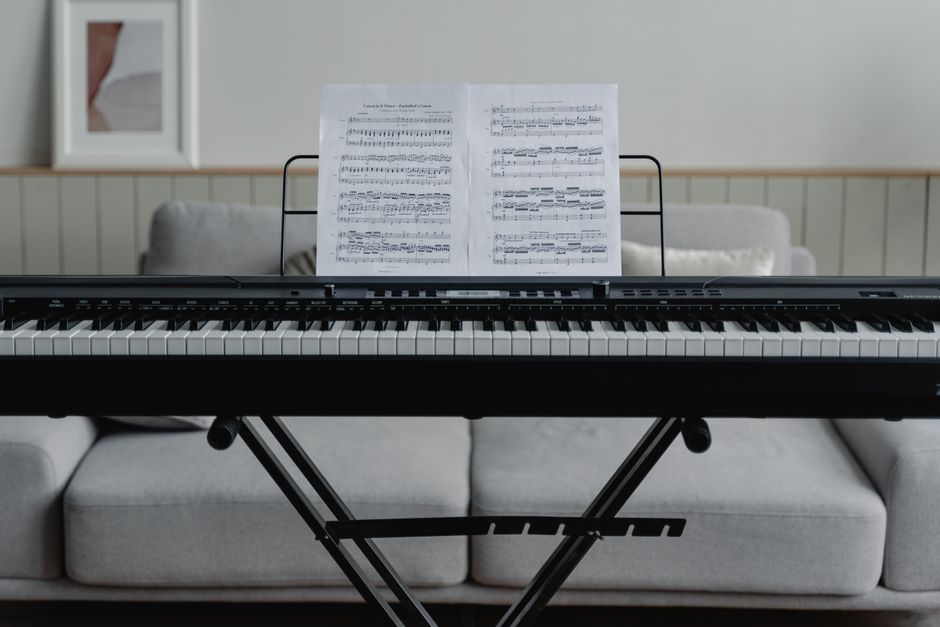
Portable keyboards and stage pianos are the most straightforward digital instruments to move. They consist of a single keyboard unit with no built-in cabinet — the instrument sits on a separate X-style or Z-style stand that collapses and folds flat. Stage pianos used by professional musicians typically have 88 weighted keys and can weigh anywhere from 30 to 55 pounds. More affordable portable keyboards with unweighted or semi-weighted keys are often lighter, sometimes under 15 pounds. The key challenge with these instruments is the keys themselves — unprotected during transport, they're exposed to contact with other objects, which can snap or chip them. Always remove the instrument from its stand before moving, and never carry the stand with the keyboard still mounted on it.
Console digital pianos are designed to live in one place, like furniture. They have a built-in wooden or composite cabinet, an integrated stand with legs, a three-pedal lyre unit attached to the bottom of the cabinet, and sometimes a built-in music rest and speaker system in the lid. These instruments are substantially heavier than stage pianos — commonly between 80 and 150 pounds depending on the model and cabinet construction. The weight isn't the hardest part; the shape is. Console pianos are long, relatively shallow, and have protruding legs and a pedal assembly that create awkward grip and clearance problems in tight spaces. Disassembling the legs and pedal lyre before the move is not optional — it's a requirement for safe transport.
Some digital pianos are designed to replicate the appearance of acoustic grand or upright pianos, with a full cabinet, lid, and decorative finish. These instruments can weigh 200 pounds or more and present the same combination of size and fragility that makes acoustic piano moves difficult. If you're moving one of these instruments, treat it with a level of care closer to an acoustic upright than a standard digital piano. The finish is typically lacquered wood or high-gloss polymer — surfaces that show every scuff and scratch from a doorframe or truck wall. For instruments in this category, professional movers with specialty experience are strongly worth considering. You can read more about what that kind of help looks like on our specialty moving services page.
Gathering the right supplies before the move is the difference between an instrument that arrives intact and one that arrives with chipped keys, a cracked cabinet, or a bent pedal lyre. Don't improvise on packing materials for electronics.
Console digital pianos require disassembly before they can be safely moved. Attempting to carry a fully assembled console piano — legs attached, pedal lyre in place — is how legs get snapped off at the base and how the cabinet gets torqued and cracked. Work through these steps in order.
Before removing anything, take photographs of the assembled instrument from multiple angles — front, back, and both sides. Pay particular attention to how the pedal lyre attaches to the bottom of the cabinet, how the legs bolt on, and how any cables route between components. These photos are your reassembly reference. Don't trust your memory for hardware positions and cable routing after a move.
Unplug the power cord, headphone cables, MIDI cables, sustain pedal cables, and any audio output cables. Coil each cable neatly and secure with a velcro tie or rubber band — never wrap cables tightly around corners, which stresses the internal wiring. Bag and label the power adapter and any included accessories separately. If your instrument has a bench, that gets wrapped and moved independently.
On console models that have a removable music rest or a hinged lid, take these off first. They're the most exposed parts during a move — the first things to make contact with a doorframe or wall. Wrap the music rest in bubble wrap and place it in a box. If the lid is removable, wrap it in a moving blanket and secure with stretch wrap.
The pedal lyre — the three-pedal assembly that bolts to the underside of the cabinet — is the most vulnerable component during a console piano move. With the instrument still on its stand, have one person support the pedal lyre from underneath while another removes the bolts or screws securing it to the cabinet bottom. Keep all hardware in a labeled bag taped directly to the lyre. Wrap the lyre in bubble wrap, then a moving blanket.
Most console digital piano legs bolt on from inside the cabinet with carriage bolts or hex bolts accessible through the bottom. Tip the instrument carefully onto a moving blanket spread on the floor — with one person at each end — to access the leg hardware. Remove one leg at a time while the other legs remain in place for support. When the last two legs are removed, lower the instrument flat onto the blanket. Keep all leg hardware in labeled bags. Wrap each leg separately in moving blankets or bubble wrap.
With the instrument now lying flat on the first moving blanket, fold the blanket up over the keyboard and cabinet, then layer a second blanket over the top and sides. Pay particular attention to the corners and the key cover — these are the highest contact-risk surfaces. Secure the blankets tightly with plastic stretch wrap, covering the entire instrument. Don't compress the keys with the wrap — keep coverage firm but not tight across the keyboard surface.
A wrapped console piano should be transported lying flat in the moving truck, not standing on end. Place it on the truck floor on top of an additional moving blanket, and load lighter items around it — never on top of it. Secure with moving straps to prevent any sliding during transport. Avoid loading the piano against the truck wall where road vibration is highest; if possible, position it toward the center of the truck bed. For tips on organizing everything else in the truck, see our guide on how to pack a moving truck like a pro.
Portable instruments are considerably easier to move than console pianos, but they still require attention to a few specific risks.
The keys on any digital piano — weighted or unweighted — are the most damage-prone component during a move. Individual keys can snap at their pivot point if something presses down on them at an angle, or if the instrument is stacked under heavy boxes. Always move a keyboard with the key surface facing up, never face-down. If you don't have the original foam insert to rest across the keys, lay a folded moving blanket over the key surface before wrapping the whole instrument.
X-style and Z-style keyboard stands collapse flat, which makes them easy to pad and carry. Wrap the collapsed stand in a moving blanket and secure with stretch wrap. Don't assume a folded stand is safe on its own — the sharp metal edges and cross-bar corners can puncture boxes and scratch other items in the truck if left unwrapped.
The sustain pedal, power adapter, cables, and any included accessories should go into a clearly labeled box — not loose in the truck. Label the box with both the contents and the instrument it belongs to. Losing a proprietary power adapter after a move means hunting down a replacement, which can be surprisingly difficult for older or discontinued models.
Once the instrument arrives, resist the urge to immediately plug it in and test it. Allow the instrument to come to room temperature first — especially if it traveled in a cold truck or through significant temperature swings. Electronics that go from cold to warm too quickly can develop condensation inside the cabinet, and powering up a condensation-affected instrument risks short circuits. Waiting 30 to 60 minutes in a climate-controlled environment before powering on is a reasonable precaution.
When reassembling the stand and legs, refer to the photos you took before disassembly. Tighten all leg bolts and stand hardware firmly — a console piano on under-tightened legs is unstable and a safety hazard, particularly in homes with children. Reconnect the pedal lyre cables before final leg tightening so you're not reaching underneath an assembled piano to connect the sustain and damper pedals. After full reassembly, test all keys, all pedals, and all connections before declaring the move complete.
Digital pianos occupy an interesting middle ground — most are manageable for two careful people with the right supplies, but certain situations genuinely call for professional help. If your instrument is a heavy console model weighing over 100 pounds, if the move involves stairs, if the piano has a high-gloss lacquer finish where any surface scuff is immediately visible, or if the instrument is a high-value performance or recording instrument that represents a significant investment, professional movers are worth considering seriously.
The risk in a DIY digital piano move isn't just cosmetic damage — it's dropping a 120-pound console instrument on a staircase, or cracking a cabinet corner against a doorframe because the carry team didn't have enough bodies for the weight. A professional crew brings moving straps, furniture dollies, and the trained communication needed to coordinate a heavy carry through tight spaces without improvising. If you're already coordinating a full household move, adding the piano to the professional crew's scope is almost always the right call. Our local and long distance moving team handles digital pianos as part of full household moves regularly.
For most console digital pianos, the safest transport position is lying flat — not standing on end, and not on its side. Transporting a console piano vertically on its end concentrates stress on the cabinet joint and the internal speaker baffles in ways the instrument wasn't designed to handle. Portable keyboards and stage pianos can be transported upright or lying flat, but the key surface should always face upward — never downward — regardless of position. If space constraints force a non-ideal orientation, pad the instrument heavily, secure it against movement, and keep the transport distance short.
The original box and foam inserts are ideal but not required. If you have them, use them — they're the best protection available. If you don't, wrap the instrument in at least two full-size moving blankets, secure with plastic stretch wrap, and transport it lying flat on a padded truck floor. The key risks to manage without original packaging are key surface impact, corner and edge contact, and internal shifting of loose components. As long as you address those three areas with padding and secure loading, a successful move without the original box is very achievable.
A console digital piano weighing 80 to 120 pounds requires a minimum of two people for a flat-surface carry with no stairs. Three people is strongly recommended for any staircase carry — one person per end and a third to guide and spot. For instruments over 120 pounds or moves involving narrow stairwells and multiple turns, four people provides meaningful additional control and safety. Don't attempt a heavy console piano move with fewer people than the weight warrants — dropped instruments cause injury as well as damage.
No — the keys should always be covered and protected during transport. Individual keys, particularly on weighted-action instruments, can snap at their hinge points if they take a lateral impact or if something presses on them at the wrong angle. Before wrapping the instrument in moving blankets, either use the original foam key-cover insert (if you have it) or lay a folded moving blanket across the key surface, then wrap the entire instrument. Never stack boxes or other items on top of a wrapped keyboard during transport, even if the load seems light.
Most portable keyboards and lighter stage pianos — under 50 pounds — can be moved safely by two careful people with basic packing supplies. Console digital pianos over 80 pounds, instruments with high-gloss finishes, moves involving stairs, or pianos that represent a significant financial or sentimental investment are all good candidates for professional help. Professional movers bring the equipment (furniture dollies, moving straps) and team coordination to handle a heavy, awkward instrument safely on stairs and through tight spaces. If you're doing a full household move, adding the piano to the professional crew's scope is almost always worth the incremental cost.
Whether it’s a full home move or just a few heavy items, Hustle and Muscle Moving is ready to help you sort it out.