.webp)
Written by:
Pierce J
Published:
July 15, 2026
Learn how to move a sectional sofa safely — how to disassemble it, protect each piece, navigate tight spaces, and reassemble it at your new home.
If you're trying to figure out how to move a sectional sofa, you're dealing with one of the most awkward and frustrating pieces of furniture in any home. Sectionals look manageable — after all, they're just cushioned seating — but they combine the worst qualities of oversized furniture into a single problem. They're wide, they're heavy, and they're shaped in ways that fight every doorframe, staircase, and hallway corner they encounter. A standard three-piece L-shaped sectional can weigh anywhere from 300 to over 600 pounds assembled. Chaise sections alone can stretch 100 inches or more. And unlike a standard sofa, a sectional's size isn't negotiable — you can't flip it on its end or angle it the way you might tilt a loveseat through a tight door.
The good news is that sectional sofa moves go smoothly when you work through the right sequence. This guide covers everything: how to identify what type of sectional you have, how to properly disassemble it before moving day, what supplies you'll need, how to protect the fabric and frames during the carry-out, how to navigate stairs and tight hallways, how to load and secure the pieces in the truck, and how to reassemble everything correctly at your destination. Whether you're moving a modular sectional with six pieces or a classic two-piece L-shaped configuration, these principles apply.
Not all sectionals disassemble the same way, and assuming they do is one of the most common mistakes people make before a move. Before you move a single cushion, spend time understanding exactly what type of sectional you have — how many pieces it consists of, how those pieces connect, and what the frame is made of. That assessment directly determines your game plan.
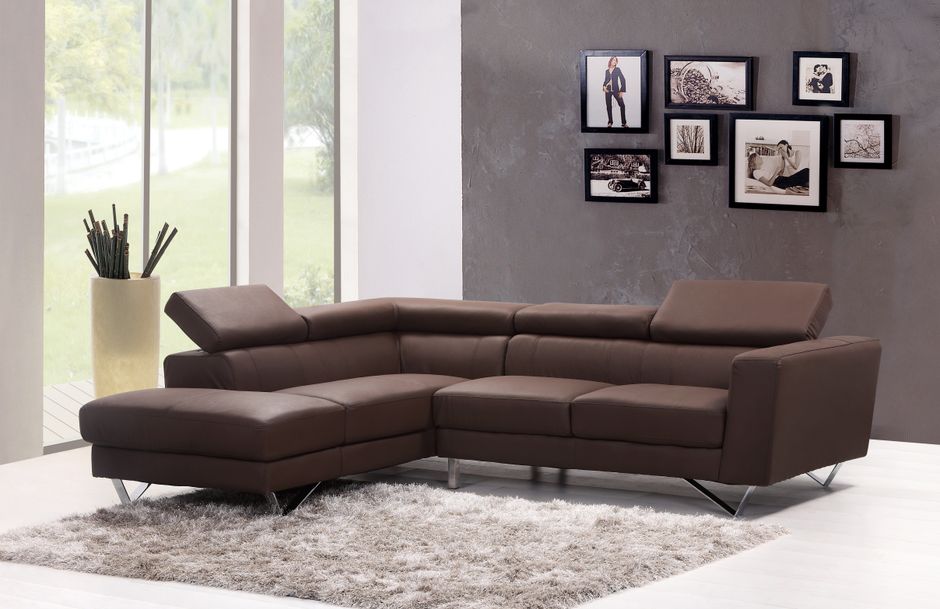
Modular sectionals are the most mover-friendly type. They're made up of individual seat units — armless chairs, corner pieces, chaises, and ottomans — that click or latch together with connectors on the bottom or sides. Each module typically weighs between 50 and 150 pounds on its own, which puts most individual pieces within a manageable range for two people. To separate the modules, you usually tilt or lift one piece while another person holds the adjacent piece steady, then slide the connector apart. Check the underside of the sofa for the connector type before moving day — some use metal brackets, others use fabric loops, and some simply rely on friction and position.
Classic L-shaped and U-shaped sectionals are typically sold as two or three distinct large pieces — for example, a sofa section and a chaise section, or two sofa sections and a corner wedge. These pieces are heavier than individual modular units and won't reduce down further unless you disassemble the frame itself. The connection hardware between sections is usually a latch or hook system along the inside facing edges. Understanding how these latches release before moving day saves significant frustration — and avoids bent hardware that can prevent the pieces from reconnecting cleanly at your destination.
Some sectionals include power or manual recliner mechanisms, built-in USB ports, or a pull-out sleeper bed. These features add weight and complexity. Recliner sections have heavy metal mechanisms in the base and are not designed to be flipped upside down or stood on end without risking damage to the mechanism. Sections with pull-out beds add significant weight — sometimes an extra 50 to 100 pounds — from the mattress and folding metal frame. Remove the mattress from any sleeper section before moving, and keep the sleeper frame latched closed and secured with stretch wrap during transport.
The frame underneath your sectional affects how much abuse it can take during a move. Kiln-dried hardwood frames are the most durable and handle stress well. Engineered wood (plywood or particleboard) frames are common in mid-range sectionals and are more susceptible to cracking if the piece is dropped or twisted. Metal frames, often found in sofa-beds and modern designs, are durable but heavy. Knowing your frame type helps you decide how carefully to handle the pieces and whether you need extra padding at the corners and base.
A sectional sofa move rewards preparation. Showing up without the right materials means improvising with inadequate substitutes — and that's where fabric tears, frame damage, and floor gouges happen. Gather everything before moving day so the crew can work without stopping.
Proper disassembly is the single most important step in a sectional move. Getting this right means each piece is manageable, protected, and ready to go back together cleanly at the other end.
Remove every seat cushion, back cushion, throw pillow, and decorative accessory from the sectional. Cushions add weight, shift during carries, and can be damaged by compression. Stack them flat and transport them separately — they can often ride in a car rather than the moving truck. If any cushions have removable covers, consider removing the covers and transporting them separately to protect the fabric.
Flip up the bottom edge of each section where two pieces meet and look for the connecting hardware. Common designs include:
Take a photo of the connection hardware on your phone before you detach it. This makes reassembly at the destination significantly faster and less frustrating.
Most sectional legs unscrew directly from the base of each section. Remove all legs before moving — legs left on add height that makes navigating doorframes harder, and they're the most vulnerable part of the frame to snapping off under lateral stress. Collect all legs in a labeled zip-lock bag and tape the bag to the underside of one of the sections so it doesn't get lost in the truck.
Once each section is separated and legs are removed, wrap each piece in moving blankets — starting at the corners and arms, then wrapping the flat surfaces. Secure the blankets with stretch wrap. Pay special attention to the fabric on armrests and seat edges, which are the most exposed to doorframe contact during carries. For power recliner sections, wrap the cord and power button in stretch wrap so they don't catch on anything during the move.
Even with the sectional fully separated into individual pieces, you may still face tight clearances. This is where careful measurement and technique make all the difference between a smooth move and a frustrating one.
Before moving day, walk the exit path from the sectional's current position to the truck. Measure the width and height of every doorway, any hallway corners, and the stairwell if applicable. Compare those measurements to the width and height of each sectional section (with legs removed). If a piece is close to the doorframe width, you may need to angle it — and knowing in advance whether a section can be safely tilted (without risking the frame or mechanism) tells you whether angling is an option.
If you need detailed help with moving furniture without damaging your floors, walls, or back, that guide covers techniques for protecting surfaces and bodies throughout the process.
Assign one person to the front of each piece to navigate and call out obstacles, and one or more people at the back providing the primary lifting force. Move slowly and deliberately through doorframes — rushing is how corners catch door hardware and tear fabric. When going through a tight doorway with a wide section, try turning the piece at an angle and sliding the narrow dimension through first, then pivoting as it clears the frame. Remove doors from hinges if you're working with less than two inches of clearance on either side.
Stairs are where sectional moves go wrong most often. If possible, use moving straps to keep the piece controlled on the descent or ascent. Have the stronger carrier at the bottom on descent — they control the speed and bear the most weight. Move one stair at a time, pausing to reposition as needed. Never rush on stairs, and never sacrifice footing to save a piece of furniture. If a section is too heavy or awkward to carry safely on stairs, a furniture dolly with stair-climbing wheels or a professional moving crew is the right answer.
For a full overview of what to expect on the day itself, the moving day survival guide has a timeline and checklist that keeps everything on track.
How you load a sectional into the truck determines whether it arrives in the same condition it left in. Sectional pieces that aren't secured properly shift during transit — and a 200-pound sofa section sliding into other furniture at highway speed causes serious damage to everything involved.
Load sectional pieces against the walls of the truck box whenever possible — this reduces the chance of them tipping and gives you more floor space for other items. Larger, flatter pieces can be stood on their back edge if the fabric is well-protected by blankets and the frame is solid enough to bear the load (hardwood frames handle this well; particleboard frames are more at risk). Recliner and sleeper sections should always be transported flat or on their back, not stood on end, to protect the mechanism.
Use moving straps or ratchet straps anchored to the truck's D-rings to secure each section so it cannot move during transport. Don't rely on surrounding boxes to hold furniture in place — boxes compress and shift, and that creates slack that allows the furniture to slide. Each sectional section should be independently strapped, not just held in place by adjacent items.
Reassembly is the step that gets rushed — and rushed reassembly leads to misaligned connectors, cross-threaded leg hardware, and sections that never quite sit flush again. Take the time to do it right.
Before you attach any sections together, position each piece approximately where it needs to go in the room. It's much easier to adjust the position of individual sections on sliders before they're connected than to reposition a fully assembled 400-pound sectional. Once the rough placement is right, then connect the sections and install the legs.
Refer to the photos you took during disassembly. Start with the corner or anchor piece — usually the heaviest or most central section — and connect adjacent pieces outward from there. Make sure each connector is fully engaged before moving to the next connection. A partially engaged latch feels secure until someone sits on the joint, at which point the sections separate unexpectedly.
Screw the legs back in by hand first to avoid cross-threading, then tighten fully. If any legs have adjustable height, use that adjustment to level the assembled sectional on the floor — especially important on hardwood floors where an unlevel sectional will rock noticeably. Reinstall the cushions, and take a moment to sit on each section and the joints to confirm everything is stable before calling the move complete.
In most cases, no — or at least not safely. Even a two-piece L-shaped sectional is too large to fit through a standard 32- to 36-inch doorway as a single assembled unit. The width of a typical sectional, combined with the L-shape, makes it physically impossible to angle through most doorframes without first separating the pieces. Attempting to force an assembled sectional through a tight space risks tearing the fabric, cracking the frame, damaging the doorframe, and injuring the people carrying it. The only exception is if you have unusually wide doorways and a very compact two-piece sectional — in that case, measure first and confirm the clearance before committing to a no-disassembly approach.
To separate a sectional, start by removing all cushions and flipping up the bottom edge where two pieces meet to locate the connectors. Common connector types include metal latch-and-hook systems, bracket clips that slot together, and fabric or Velcro ties. For latch connectors, lift or angle one piece slightly while holding the adjacent piece steady to disengage the hook. For bracket clips, slide the pieces apart once the brackets are disengaged. Take a photo of the connectors before removing them so you have a reference for reassembly. After separating, remove the legs from each section to reduce height and prevent them from snapping off during the carry.
At minimum, you need two people for each individual sectional section. For lighter modular pieces under 100 pounds, two people can manage safely. For heavier recliner sections, chaise sections, or sleeper sections — which can weigh 150 to 250 pounds per piece — three people provides much better control, especially on stairs. Plan for the full crew to be available during the loading and unloading phases, not just for the truck packing. Trying to move a heavy sectional section with an understaffed crew on stairs is one of the most common causes of injury and furniture damage in DIY moves.
Wrap each separated section in moving blankets, starting with the arms and corners, which are the most exposed to contact with doorframes and walls. Secure the blankets with plastic stretch wrap so they stay in place during the carry and don't slide off at a critical moment. Pay extra attention to the fabric on seat edges and armrests — these are the surfaces most likely to snag on door hardware, wall corners, or the truck ramp. Avoid dragging any wrapped section across rough surfaces, as the blanket can shift and expose the fabric to abrasion. Light-colored and delicate fabrics benefit from an additional layer of plastic wrap directly against the upholstery before the moving blanket goes on.
If your sectional is large, heavy, includes recliner or sleeper sections, or needs to navigate stairs or a particularly tight floor plan, hiring professional movers is worth strong consideration. The risk in a DIY sectional move isn't just damage to the sofa — it's injury to the people carrying it. A 200-pound recliner section carried by two people down a staircase with limited footing is a genuinely dangerous situation. Professional movers bring the right equipment (moving straps, furniture dollies, stair-climbing tools) and the experience to navigate tricky layouts efficiently. For oversized or specialty sectionals, ask about specialty moving services that are specifically equipped for large, complex furniture pieces.
Whether it’s a full home move or just a few heavy items, Hustle and Muscle Moving is ready to help you sort it out.