.webp)
Written by:
Pierce J
Published:
June 22, 2026
Learn exactly how to prepare for movers before they arrive — from staging furniture to protecting floors — so moving day runs faster and nothing gets left behind.
If you're wondering how to prepare for movers, you're already thinking about this the right way. Hiring a professional moving crew is a significant investment — and how well the day goes has as much to do with your preparation as it does with the crew's skill. Movers work most efficiently when they walk into an organized, ready home. When they walk into a home that isn't ready, the clock is still running — and you're paying for time spent waiting, maneuvering around obstacles, and making judgment calls about what goes and what stays.
The good news is that preparing for movers isn't complicated. It's mostly a matter of knowing what to do, doing it in the right order, and finishing before the crew rings your doorbell. This guide covers everything — from the week leading up to your move to the final hour before the truck pulls up — so you can hand your home over to the crew with confidence and watch the day run smoothly from start to finish.
Most of the real preparation for moving day happens in the days before it — not the morning of. If you try to compress everything into the last 24 hours, you'll run out of time, and the crew will arrive to a home that isn't ready. Start the following tasks at least five to seven days out.
By the time your movers arrive, every box should already be sealed, taped, and labeled. Movers are not packers by default — unless you've specifically hired professional packing services, the expectation is that your belongings are already boxed and ready to load. Having unpacked rooms on moving day slows everyone down and can throw off your entire schedule.
Work room by room in the week before your move. Pack the rooms you use least first — guest rooms, storage areas, decorative shelves — and leave the kitchen, bathroom, and bedroom for last. By two days before the move, even those rooms should be mostly packed, with only the true daily essentials left out.
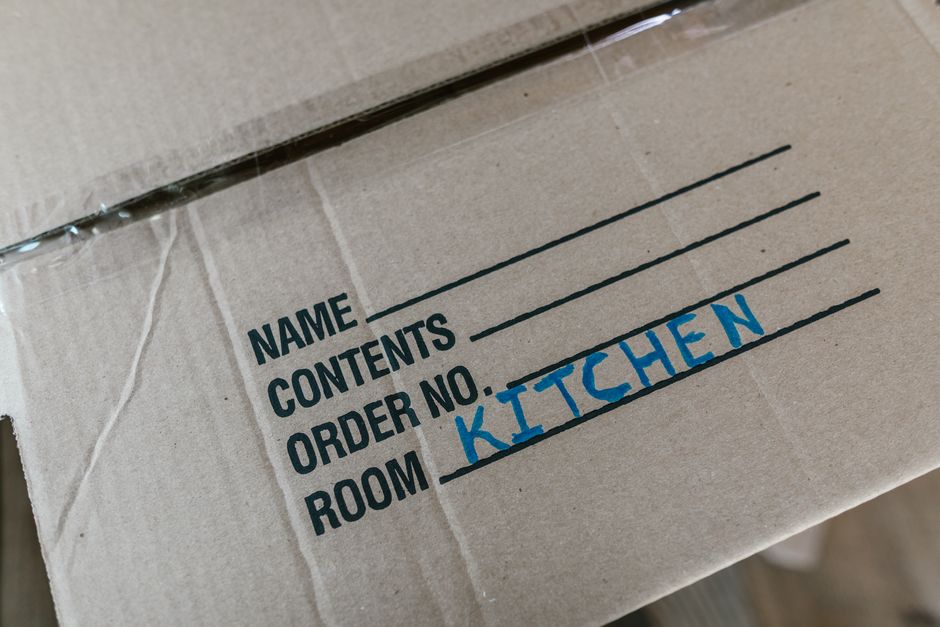
Labeling sounds obvious, but most people either skip it or do it halfway. A box labeled "Kitchen" gets placed in the right room without any conversation. A box labeled "Misc." forces someone to make a decision — and on a busy moving day, that decision often results in the box sitting in the middle of a hallway while everyone works around it.
Write the destination room clearly on the top and at least one side of every box. If a box contains fragile items, mark it "FRAGILE" in large letters and note which end is up. This simple step pays dividends on both the load and the unload.
The week before your move is also when you need to sort out anything that requires extra planning. Some items can't go on a standard moving truck — hazardous materials like propane tanks, certain cleaning chemicals, and flammable liquids typically aren't allowed. Other items, like pianos, gun safes, large artwork, or antiques, may require specialty moving services rather than standard crew handling.
Go through your home with this lens and flag anything that might fall outside of standard moving procedures. Call your moving company early if you have questions — not the morning of.
Once packing is largely complete, shift your focus to protecting the home itself and making the physical environment as move-friendly as possible. This is the work that prevents damage — to your walls, your floors, and your belongings — on the day of the move.
Take a walk through your home and identify every route that furniture and boxes will travel on moving day: from each room, down the hallway, through the front door, down any steps, and to the truck. Every one of those pathways needs to be clear before the crew arrives.
Remove obstacles like rugs that could slip, decorative items on shelves that protrude into walkways, door stoppers that are in the way, and anything hanging at head height near doorframes. The wider and clearer the path, the faster and safer the load goes.
Bed frames, large shelving units, and modular furniture almost always need to be disassembled before the move. Many moving crews will disassemble and reassemble furniture as part of their service, but confirming this in advance — and doing as much as you can yourself beforehand — saves real time on moving day.
As you disassemble, keep hardware organized. Put screws, bolts, and small parts in a labeled zip-lock bag and tape it directly to the piece of furniture it belongs to. Arriving at a new home and having no idea which bag of screws goes with which bed frame is a frustrating and avoidable problem.
Moving day puts serious wear on floors. Heavy furniture dragged even a few inches can scratch hardwood. Repeated trips with loaded dollies can scuff tile grout. And if it's been raining, muddy boot traffic through carpet is not something you want to deal with after the move.
Pick up floor protection materials — rosin paper, floor runners, or adhesive carpet film — before moving day and lay them down in the highest-traffic areas: the front entryway, hallway, and any rooms where large furniture will be moved out. It takes 20 minutes and can save you a significant repair bill.
The evening before your move should be calm and focused. The major work is done — this is about wrapping up the last details so nothing falls through the cracks on the actual day.
Call or message your moving company to confirm the arrival window and crew size. While you have them on the phone, confirm any details that affect their ability to do the job smoothly — whether parking is arranged at your current home, whether there are any elevator restrictions or loading dock rules at either location, and whether there are any narrow doorways or tight staircases the crew should know about in advance.
Parking is a more common issue than people expect. A moving truck that can't park close to the door means longer carry distances, slower load times, and potentially a higher bill. Sort this out the day before — not the morning of.
Set aside a clearly marked bag or box that will travel in your car — not on the truck. This should contain everything you'll need access to in the first 24 to 48 hours at your new home: chargers, medications, a change of clothes, important documents, snacks, basic toiletries, and any valuables you prefer to keep with you personally. Once this bag is packed, don't touch it until you arrive at the new place.
Walk through every room — including closets, the attic, the garage, and any storage areas — and confirm that everything is packed and staged. Check that appliances are cleaned out (refrigerators especially — a forgotten full refrigerator on moving day is a real problem). Make sure nothing valuable has been left behind, and nothing you intended to leave behind is accidentally in a box.
Even with perfect preparation, the hour before your movers arrive is still an active one. Use it well.
If possible, move smaller boxes to just inside or near the front door. The less distance the crew has to carry each load, the faster the truck fills. You don't need to bring everything to the door — large furniture stays in place — but a stack of labeled boxes already near the exit is a tangible time saver.
When the movers show up, don't just point them at the house and step back. Take five minutes to walk the crew through the space before they start. Point out fragile items, note anything that requires special handling, flag boxes that go on the truck last (because they need to come off first), and confirm which items are not going — things being donated, sold, or left behind for the next resident.
A brief walk-around at the start prevents misunderstandings mid-move that are far more disruptive to fix.
On moving day, one person should be the designated point of contact for the crew. This doesn't need to be a formal arrangement — it just means one person is available to answer questions, make quick decisions, and keep things moving instead of everyone giving different directions at the same time. If multiple family members or housemates are present, agree in advance on who that person is.
If you want a complete picture of how the day itself will unfold once loading begins, our moving day timeline guide walks through every phase from start to final walkthrough.
Even well-prepared movers sometimes miss a few things. Here are some of the most common gaps worth double-checking before the crew arrives:
Before the crew arrives, every box should be sealed, labeled with its destination room, and staged near the exit. Large furniture should be disassembled or at least ready for disassembly. Pathways through the home — hallways, doorways, steps — should be clear of obstacles. Floor protection should be laid down in high-traffic areas. You should have already confirmed arrival time, parking arrangements, and any special handling needs with the moving company the day before.
Tipping movers is not required but is widely considered a thoughtful gesture when the crew does good work. A common range is $20–$50 per mover for a standard local move, depending on the difficulty of the job, the size of your home, and the quality of the service. For longer or more demanding moves, some people tip more. Cash at the end of the day is the most practical form — confirm in advance that you have it on hand.
Yes — or at minimum, a designated point person should be present throughout the entire move. Someone needs to be available to answer questions, direct items to the right rooms at the new home, make decisions about fragile or unusual items, and do a final walkthrough to confirm the truck is empty and nothing was left behind or damaged. Leaving movers unsupervised in your home is not recommended.
Most professional moving companies won't transport hazardous materials, including propane tanks, gasoline, paint, cleaning solvents, ammunition, and certain aerosols. Plants and perishable food are also typically excluded. Check with your specific moving company for their complete list before moving day — and plan to transport restricted items yourself or dispose of them beforehand.
Confirm the major details — arrival time, crew size, parking arrangements, and any special handling needs — at least the day before your move, ideally two days out. If anything has changed since your original booking (additional items, access issues, a schedule shift), communicate those changes as early as possible. Last-minute surprises are harder for crews to accommodate and can affect your moving day timeline.
Whether it’s a full home move or just a few heavy items, Hustle and Muscle Moving is ready to help you sort it out.