.webp)
Written by:
Pierce J.
Published:
August 14, 2026
Thinking about moving a pool table on your own? Learn what DIY actually involves, the risks to the slate, and when hiring pros is worth it.
Can you move a pool table yourself? Technically yes, if you have at least three strong helpers, the right tools, and a table that isn't a one-piece slate model. But the honest answer for most homeowners is that DIY pool table moving carries a real risk of cracking the slate, tearing the felt, or throwing the table permanently out of level, which is why so many people who start the job themselves end up calling a crew halfway through.
This isn't a step-by-step disassembly manual. It's the decision-making guide that should come before you touch a wrench: what DIY actually requires, where people get hurt or the table gets ruined, what it costs to hire it out instead, and how to tell which category your table falls into before you commit a Saturday to it.
Moving a pool table yourself takes a minimum of three able-bodied people, a set of tools most homes don't already own, and roughly half a day even for a straightforward one-piece slate table. Anything with multi-piece slate, which describes most 8-foot and larger tables, adds hours and a much steeper margin for error.
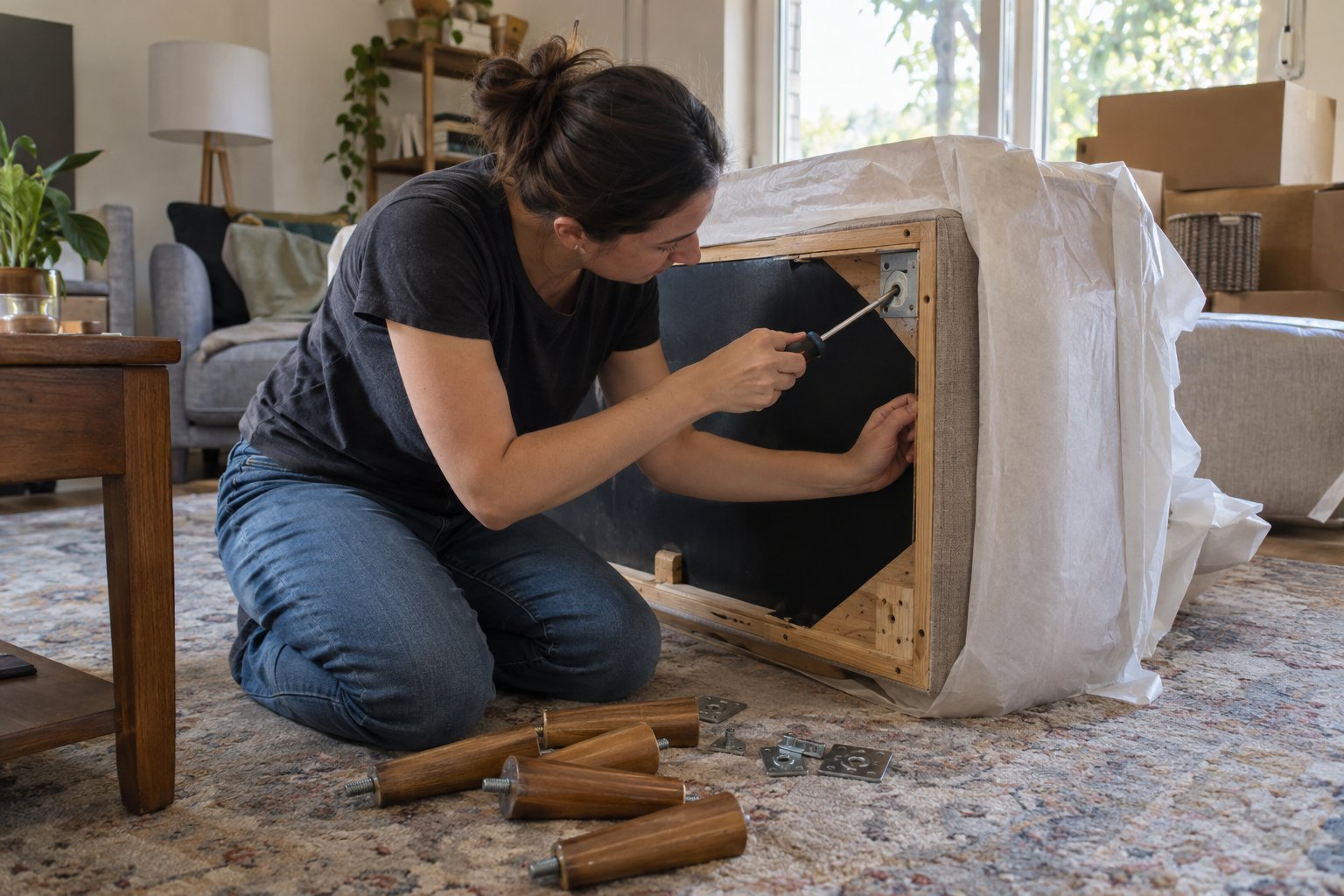
At minimum you'll need a socket set for the rails and legs, a staple puller for the felt, furniture dollies rated for the slate's weight, moving blankets, and enough clear floor space to lay out the felt and slate pieces without stepping on them. Slate alone commonly runs 400 to 700 pounds split across two or three sections on larger tables, and each section needs to be carried flat, never on edge, or it can snap.
Most DIY moves go wrong not from lack of strength but from doing steps out of order: pulling the felt before marking slate seams, or removing legs before the rails are fully unbolted. Rails come off first, then felt gets carefully pulled and rolled (never folded, since creases are close to impossible to steam out), then slate seams get labeled before separation so reassembly lines up exactly where it did before.
For most households, hiring specialty movers for a pool table is worth the cost when you weigh it against a cracked slate seam, a torn cushion rail, or a trip to urgent care. A slate replacement or professional refelting job typically costs more than what a specialty moving crew charges for the whole relocation, and that's before counting the day of labor you'd lose doing it yourself.
The math shifts if your table is a lightweight one-piece slate or synthetic-top model being moved a short distance within the same property. Those are genuinely manageable for a determined DIYer with help. But once you're talking about a multi-piece slate table going up or down stairs, through narrow doorways, or into a moving truck for any real distance, the risk-to-savings ratio tips hard toward hiring it out.
Beyond the tools, an experienced crew has handled enough tables to know exactly how much a given slate seam can flex before it's in danger, how to level the frame on reassembly without a laser level, and how to keep felt tension even so the table plays true afterward. That know-how is the part that's hardest to replicate on a first attempt.
The most common mistakes are carrying slate on its edge instead of flat, forgetting to label seam positions before separating multi-piece slate, and underestimating how many people the job needs. Any one of these can turn a manageable weekend project into an expensive repair.
Base the decision on three factors: the table's construction, the distance and path of the move, and how many capable helpers you can actually line up. A one-piece slate table moving twenty feet within the same room is a different project than an 8-foot three-piece slate table headed down a flight of stairs and into a truck.
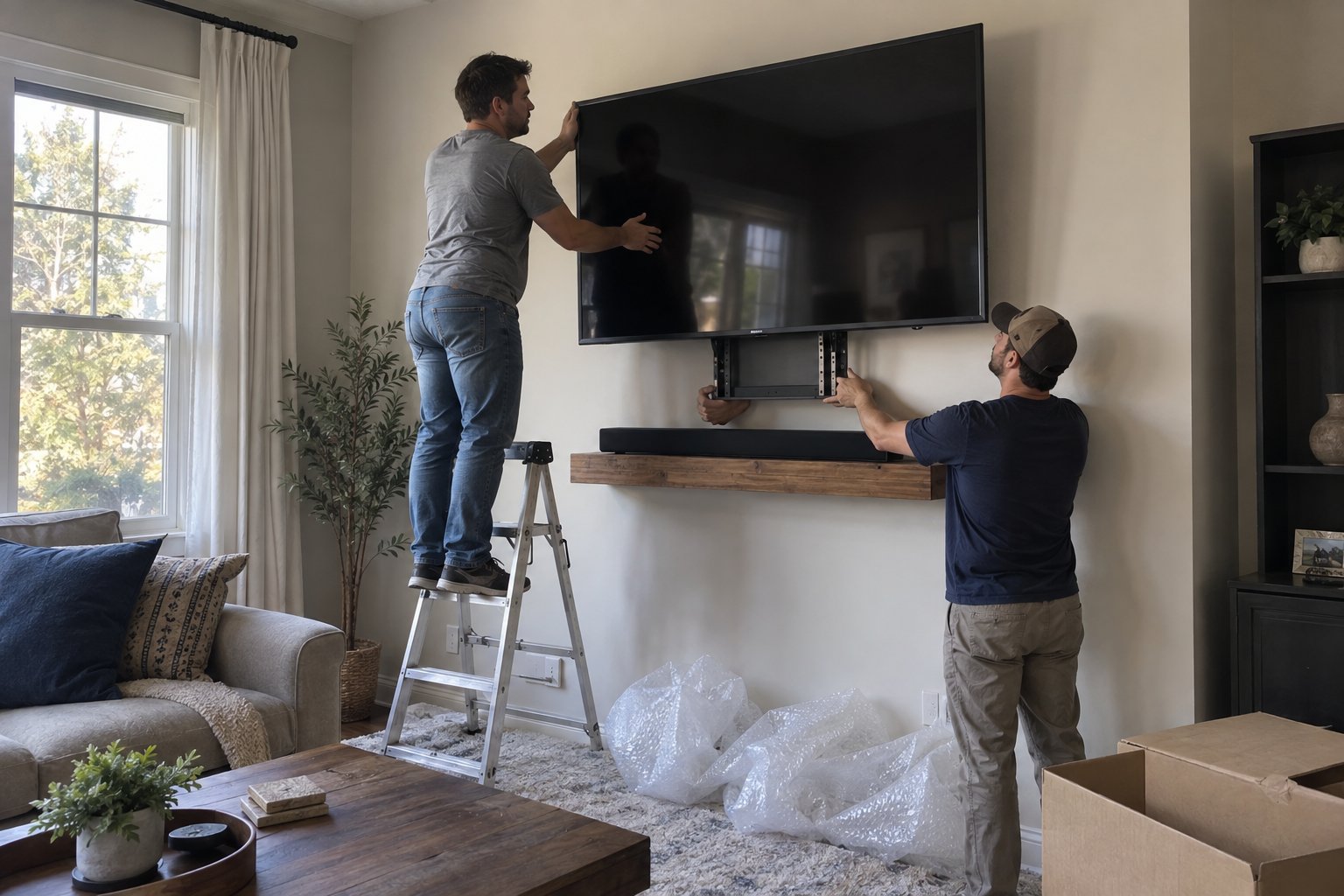
If your move also involves other heavy, awkward items, a bundled specialty move often ends up more cost-effective than hiring a table-only crew and handling everything else yourself. Crews who regularly handle specialty moving jobs like pool tables, safes, and other oversized items bring the right equipment for the whole job rather than a single piece, and it's worth asking what that looks like as part of a broader local and long distance moving plan if the table is moving to a different address.
Ask whether they disassemble and reassemble on-site, whether refelting or leveling is included if needed, and how they handle liability if the slate is damaged in transit. A crew that can't answer these clearly is a signal to keep looking.
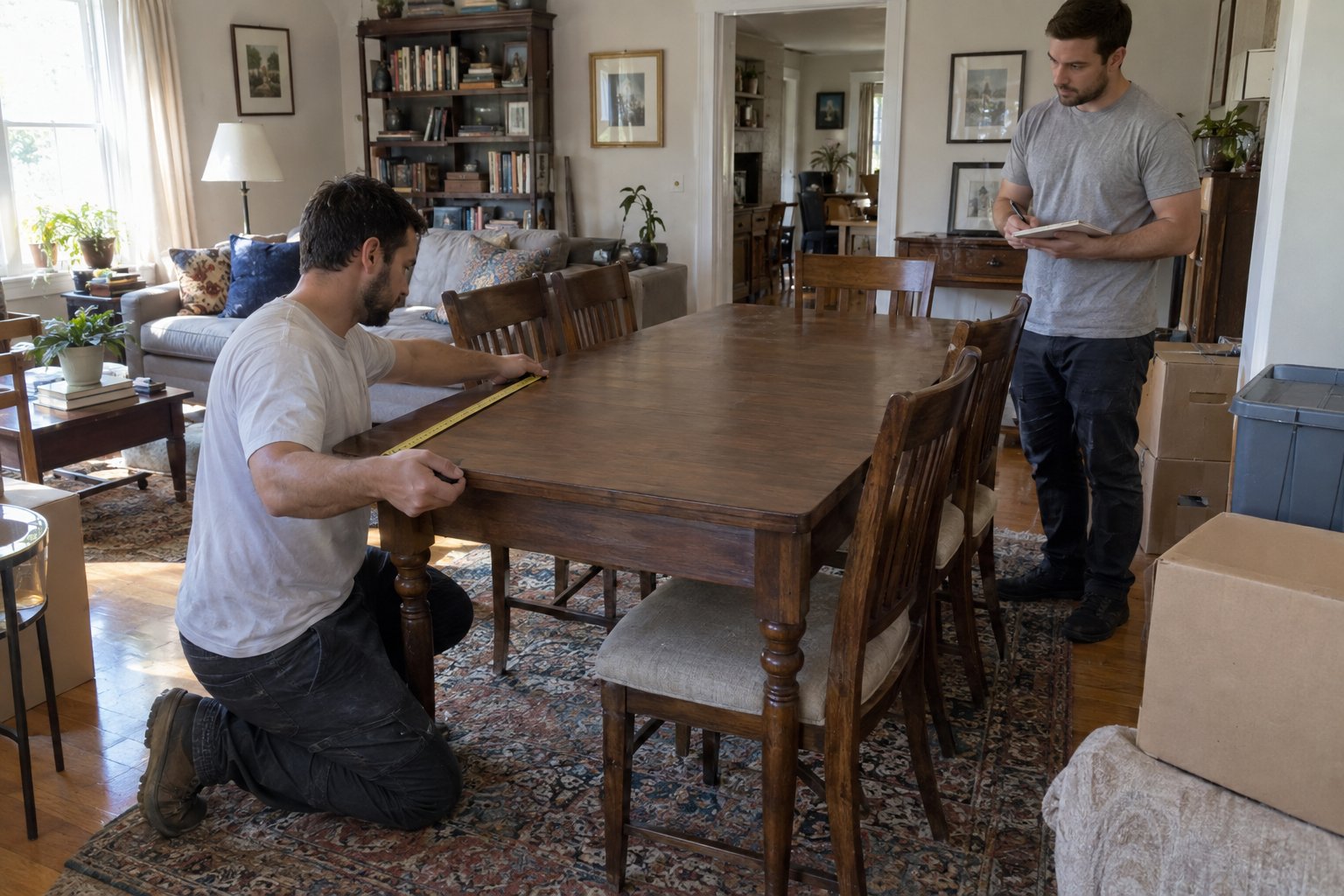
It's also worth asking for a written estimate rather than a phone quote, since table size, stair count, and distance to the truck all affect the final price. If you're comparing several movers for this one job, our guide on how to choose a moving company covers the broader vetting questions worth asking any crew, and getting a get a moving quote before your move date gives you a number to compare against DIY costs.
Whichever way you go, the decision comes down to the same thing: a pool table is one of the few household items where the cost of a mistake (a cracked slate, a torn cushion, a thrown-out back) is genuinely higher than most people expect walking in. Weigh that against the savings before you start pulling rails off on a Saturday morning.
Most pool tables need at least three people, and four is safer for anything 8 feet or larger with multi-piece slate. Two people attempting to carry a slate section is one of the most common causes of dropped slate and back injuries during DIY moves.
Only over very short distances within the same room, and even then it's risky. Full disassembly of the rails, felt, and slate is standard for any move involving stairs, doorways, or a trip in a moving truck, because an assembled table is too heavy and awkward to carry safely as one unit.
It can, if the felt isn't pulled and rolled carefully. Felt that's folded instead of rolled often develops creases that are difficult or impossible to remove, and reusing old staple holes instead of stapling fresh ones tends to tear the fabric during reinstallation.
Cost depends on table size, distance, stairs, and whether refelting is needed, so it varies by job. In general, professional pool table moving costs less than replacing a cracked slate section or a torn felt surface, which is the more common outcome of a DIY move gone wrong.
Whether it’s a full home move or just a few heavy items, Hustle and Muscle Moving is ready to help you sort it out.