Written by:
Pierce J.
Published:
November 6, 2026
Moving boxes or a portable storage container? Compare time, effort, risk, and fit to decide which packing approach makes sense for your move.
Moving boxes vs portable storage containers is really a question about how your things get from one house to the next and how long they sit in between. Boxes are the standard for almost every move. A portable container, the kind a company drops off and picks up later, is a different approach that changes your packing timeline, your loading effort, and how much risk you're taking on with fragile or heavy items. Neither one is wrong. They just suit different situations.
This comparison looks at both approaches side by side on the things that actually matter on moving day: how much time each takes, how much physical effort is involved, what can go wrong, and who each one tends to fit best.
Cardboard boxes are packed, taped, and loaded directly onto a truck or into a vehicle close to your move date. A portable storage container sits in your driveway for days or weeks while you load it at your own pace, then gets picked up and driven to your new address, or held for a while if you need a gap between homes.
With boxes, you're usually packing on a tighter clock because the truck, or the help you've hired, is only there for a set window. With a container, the loading itself can be spread across a weekend or longer, since the box isn't going anywhere until you're ready. That changes almost everything else in this comparison. If you'd rather hand the packing itself off entirely, packing services can prep your boxes for either approach so the loading day isn't also a packing day.
Boxes require more upfront prep time, since you have to source enough of them, tape and label each one, and have them ready before the truck or crew arrives. A container shifts that pressure: you can pack a room, close it up, and walk away, then come back to it the next day without worrying about a truck idling outside.
Where containers lose time is on the back end. Once it's loaded and picked up, delivery to your new address isn't immediate, especially on a longer move. If you need your belongings the same day you leave your old home, a loaded truck usually gets you there faster than waiting on a container's delivery window. As a rough rule of thumb, allow about a day to fully pack and load an average-sized room into either boxes or a container; the pace doesn't change much, it's the schedule around it that does.
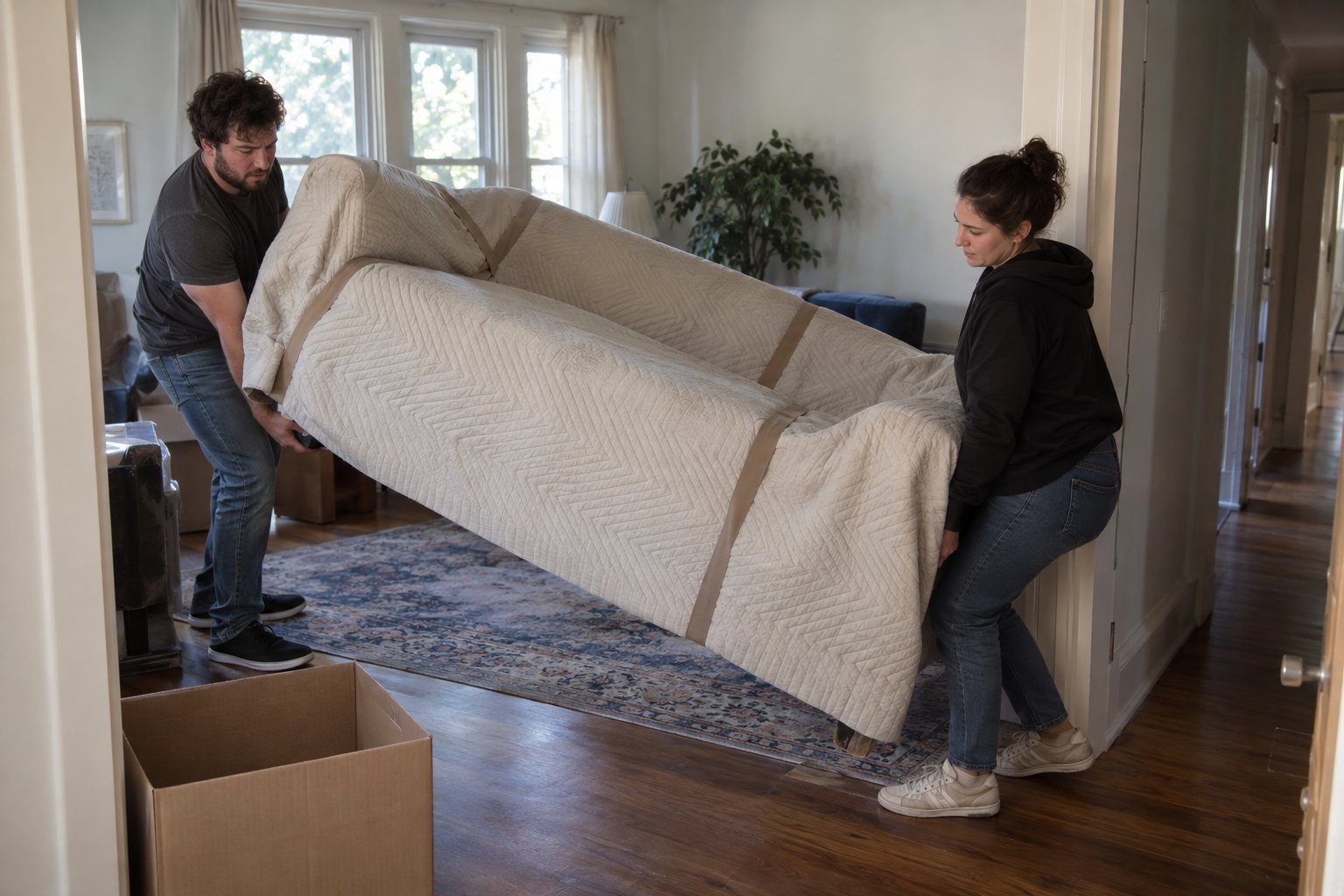
Loading a container is generally harder on your body than loading a truck, because the container sits lower to the ground and often doesn't have a ramp, so you're lifting items up and over the lip instead of walking them up an incline. A moving truck's ramp or lift gate does some of that work for you.
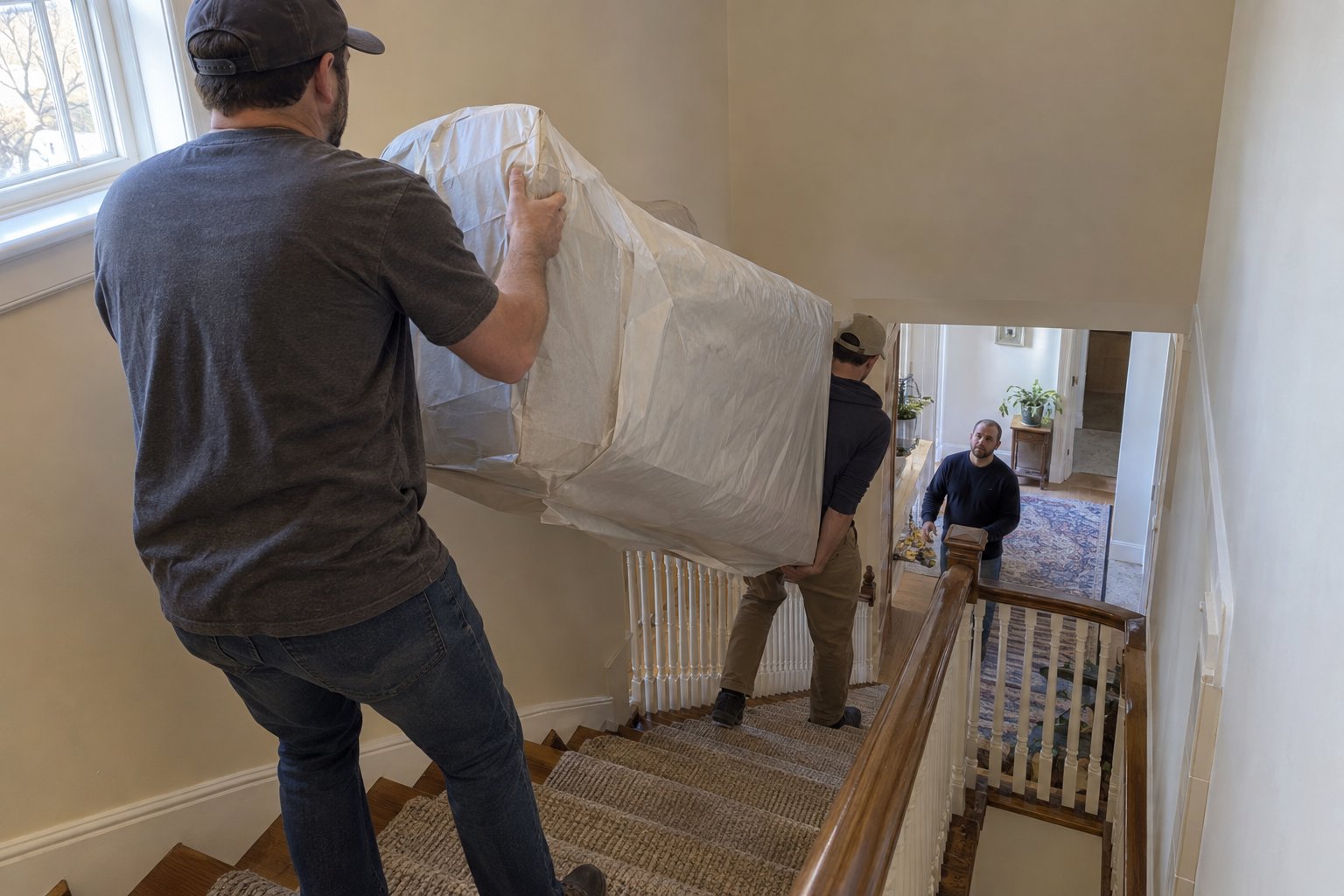
Boxes themselves are no lighter in a container than they are in a truck. The difference is access: a truck can be backed up to a doorway for a shorter carry, while a container often sits further out, which means more trips back and forth across your yard or driveway. If your home has stairs or a long walk to the curb, that adds up over a full day of loading.
Boxes loaded straight onto a truck spend less total time in transit and get unloaded the same day they're picked up, which limits the window for anything to shift or settle. A container can sit loaded for days before it's picked up and again before it's delivered, so how well you've packed and braced everything inside matters more.
Weather is a real factor with containers since they sit outside, exposed, for longer stretches than a truck typically does. Check that your container is weatherproof and consider what's inside it if it's going to sit through a stretch of rain or heat. With boxes going straight onto a truck, your bigger risk is a rushed, tight packing job done under time pressure the morning of the move.
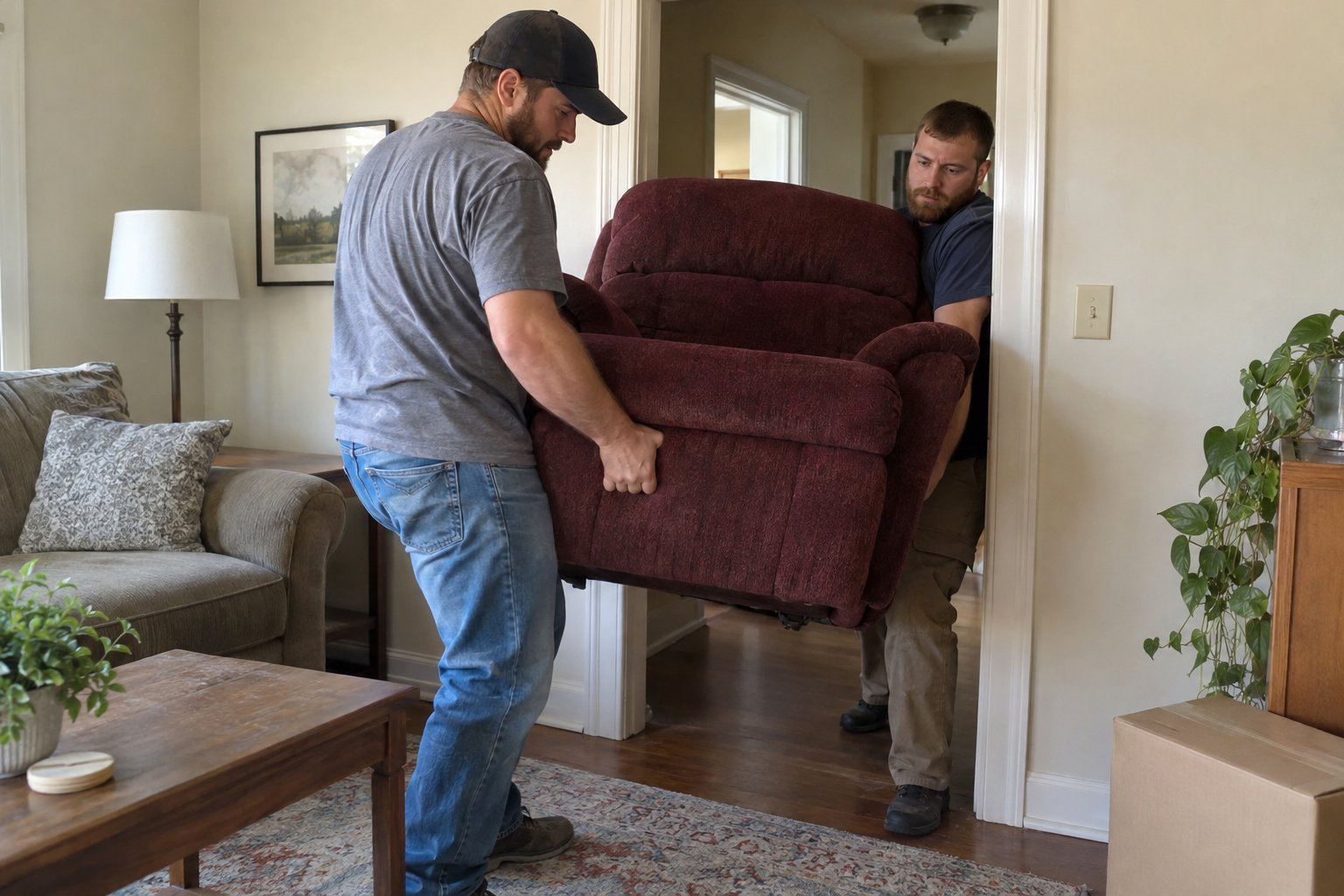
Boxes and a traditional truck tend to suit moves with a firm date and a short distance, where you want everything to arrive the same day you leave. They also work well if you're hiring help to load and unload, since a crew can move efficiently once everything is boxed and ready at the curb.
A portable container tends to suit moves where your timeline is flexible, your new home isn't ready yet, or you want to avoid packing everything in a single exhausting push. It also helps if you're downsizing gradually or need somewhere to stage belongings between two homes without renting separate storage.
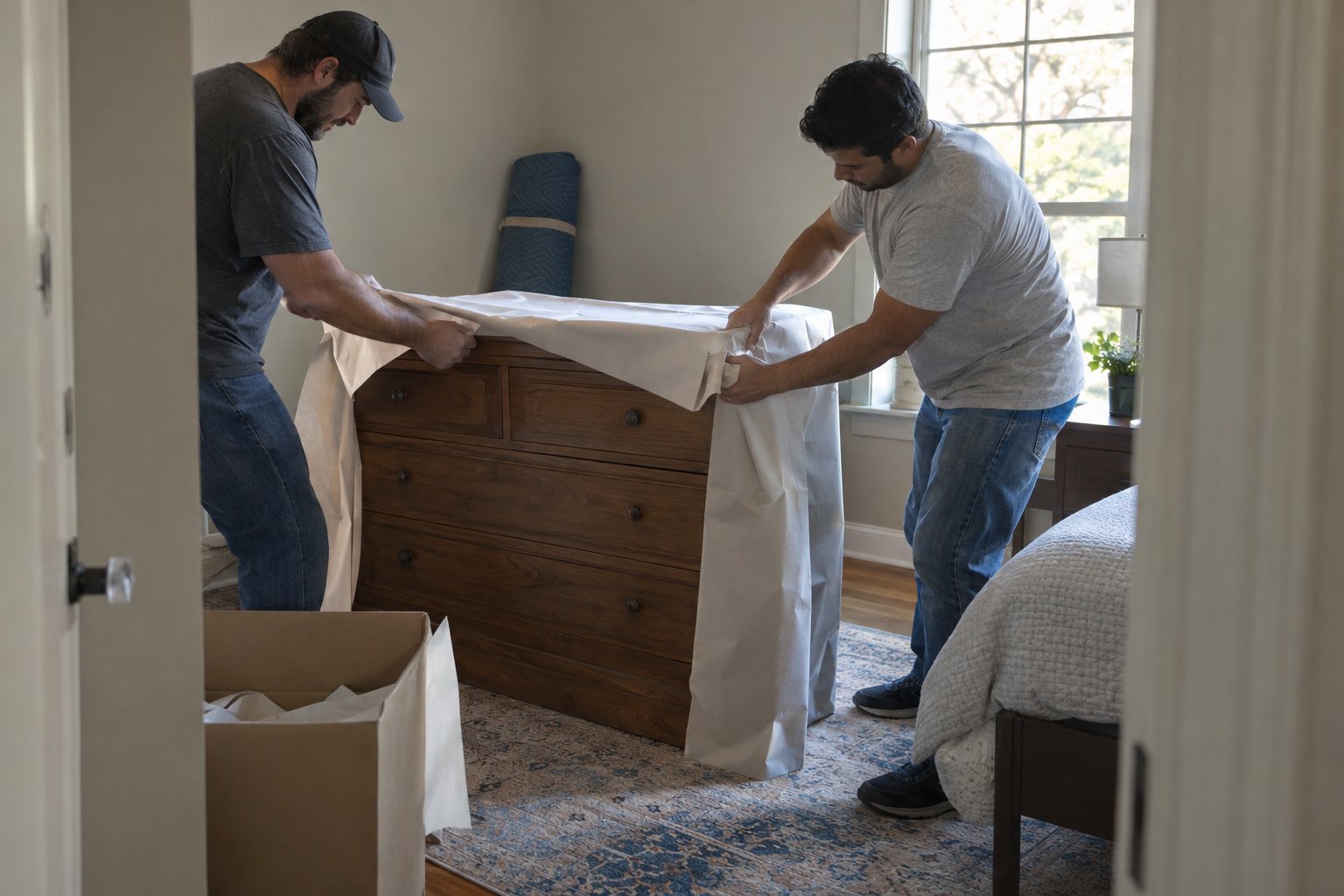
Whichever you choose, the prep work looks similar: sturdy boxes for anything breakable, furniture pads for anything that can scratch or dent, and a plan for which room gets packed first. If you're in Aiken, SC or Augusta, GA and you're not sure how many boxes to budget for, start with the rooms you use least and work toward the ones you use daily, so the last few days aren't a scramble.
If you'd rather not load either one by yourself, bringing in labor-only help to handle the lifting still works with a container or a truck, since the crew is just there for the loading, not the driving. And if you want full support from packing through delivery, local and long distance moving service covers both ends without you needing to choose between the two approaches at all.
For most local moves in or around North Augusta, SC, where the new home is ready and the date is fixed, boxes loaded onto a truck are the more straightforward choice: less exposure time, a same-day arrival, and an easier fit with hired loading help. A portable container earns its keep when your move date and your new home's readiness don't line up, or when you'd rather pack over several days than cram it into one.
If you do go with a container, give yourself more time than you think you need, since the lower loading height and lack of a ramp slow the process down compared to a truck. And whichever you pick, a copy of the room-by-room packing guide helps keep the work organized regardless of what it's going into.
One more thing worth doing early, no matter which option you choose: file your change of address with USPS before moving day so your mail catches up to you instead of sitting at the old house while you're deciding between a box truck and a container in the driveway.
Planning your move? Request a quote from Hustle and Muscle Moving.
It depends on the container and truck sizes you're comparing, but a mid-size container generally holds a comparable volume to a similarly sized truck. The bigger practical difference is loading access, not capacity, since a container's lower opening and lack of a ramp can make loading slower even when the space itself is similar.
Yes, as long as they're boxed and padded the same way you'd pack them for a truck. Because a loaded container may sit in place longer before pickup, it helps to brace fragile boxes against shifting with soft items like towels or linens rather than leaving gaps.
That depends on your local rules, so check with your city or HOA before the container is delivered, especially if it needs to sit on the street rather than your driveway. Some areas limit how long a container can stay in place.
Loading a container often takes a bit longer than loading a truck of similar size because most containers sit lower to the ground without a ramp, which means more lifting with each trip. Spreading the loading over a couple of days, which a container allows, can offset that extra effort.
Let them know about any driveway slope, narrow access points, or overhead obstacles like low tree branches, since a delivery truck needs room to set the container down level and accessible. The same information helps a loading crew plan the day if you're bringing in labor-only help.
Whether it’s a full home move or just a few heavy items, Hustle and Muscle Moving is ready to help you sort it out.