.webp)

Written by:
Pierce J
Published:
June 23, 2026
Learn how to unpack after a move efficiently with a room-by-room strategy. Prioritize the right spaces first and settle into your new home without the chaos.
If you're trying to figure out how to unpack after a move, you've already made it through the hardest part. The truck is empty, the boxes are inside, and your new home is technically yours. But standing in the middle of a room full of stacked boxes with no clear starting point is its own kind of overwhelming — and a lot of people stall out right here, living out of boxes for weeks longer than they need to.
Unpacking doesn't have to be chaotic. Like every other stage of moving, it goes dramatically better when you have a sequence to follow, a clear sense of what to prioritize, and a strategy for not creating new messes while you're solving old ones. This guide walks you through exactly that — from the first box you should open to the last room you should tackle — so you can go from a pile of cardboard to a functioning home as quickly and calmly as possible.
The instinct when the truck pulls away is to start tearing into boxes immediately. Resist that urge for just a few minutes. A small amount of setup work before you start unpacking will make every hour that follows more efficient.
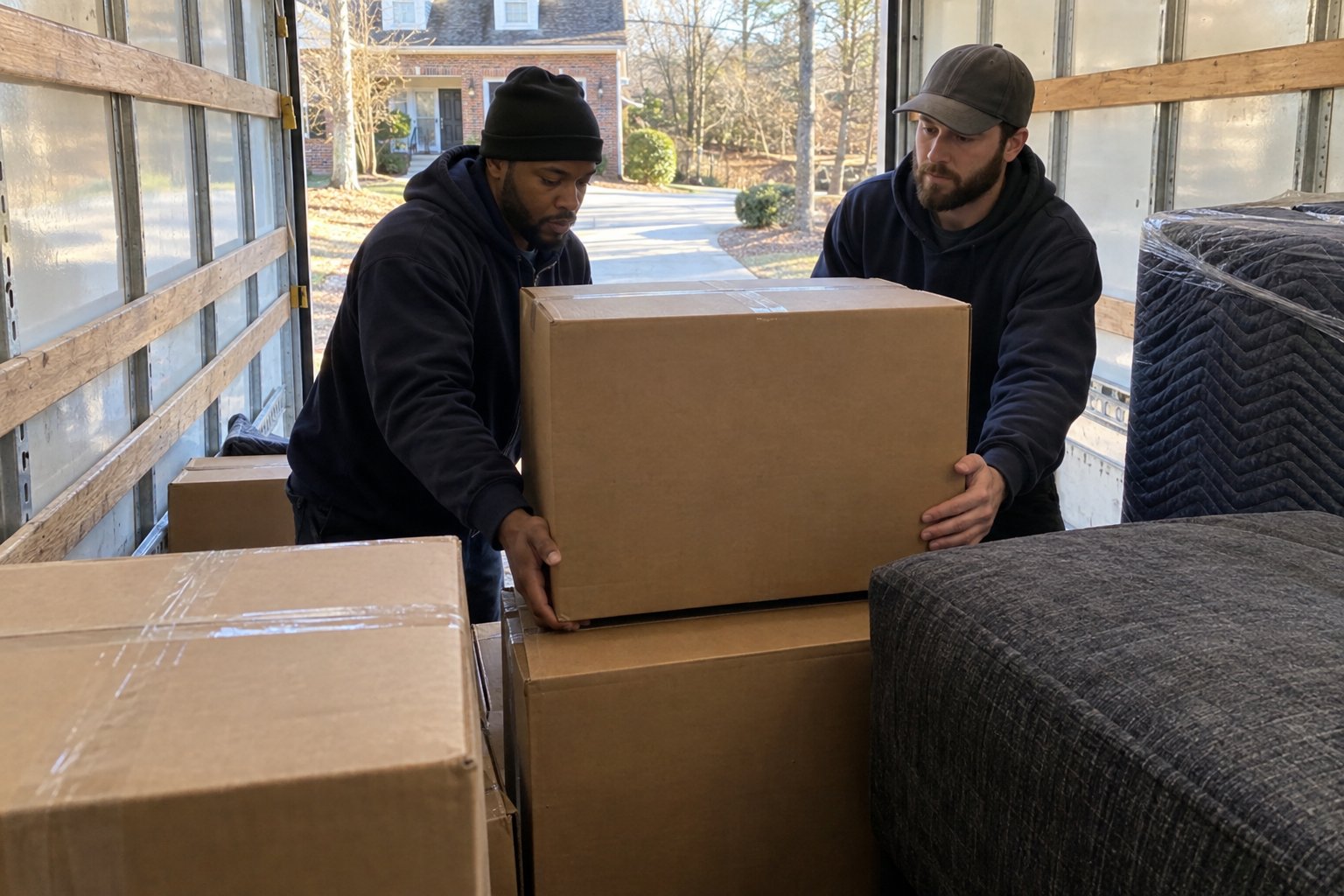
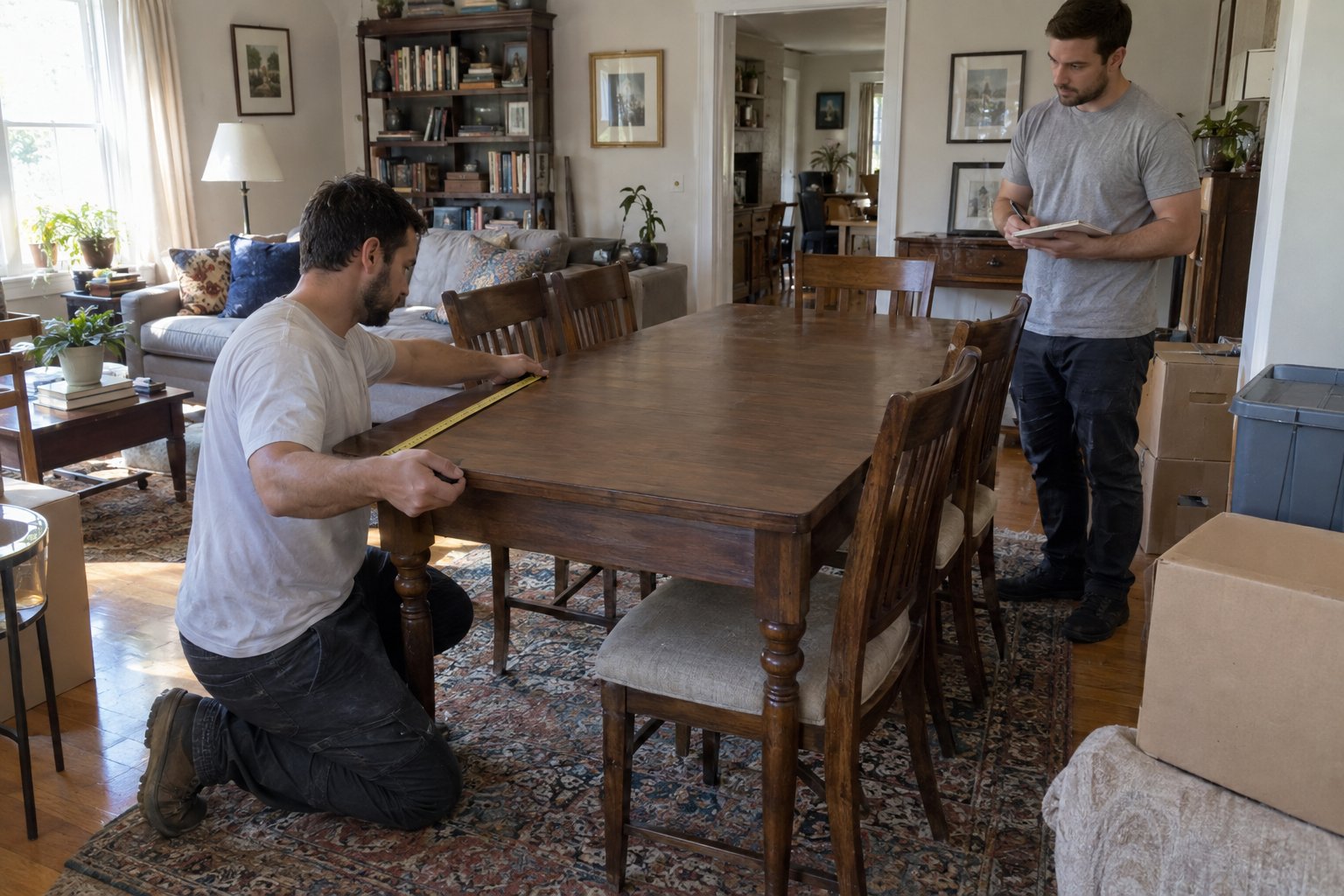
If your moving crew — or whoever helped you unload — placed boxes in the correct rooms, great. If boxes got placed wherever there was floor space, do a quick sort before you start. Dragging a box of kitchen items from the guest bedroom to the kitchen halfway through unpacking wastes time and energy. A few minutes of repositioning boxes to their correct rooms pays off immediately.
This is one of the reasons labeling boxes clearly before the move matters so much. If you haven't done a move yet and are still in the planning stage, check out how to pack boxes like a pro — the labeling principles covered there make the unpack far easier on the other end.
Before you move furniture into permanent positions, walk through the entire home once with fresh eyes. Think about traffic flow, natural light, and how you actually want to live in the space — not just how the previous owners arranged it. It's much easier to adjust furniture placement now, before boxes are stacked in every corner, than it will be in three weeks when everything is settled.
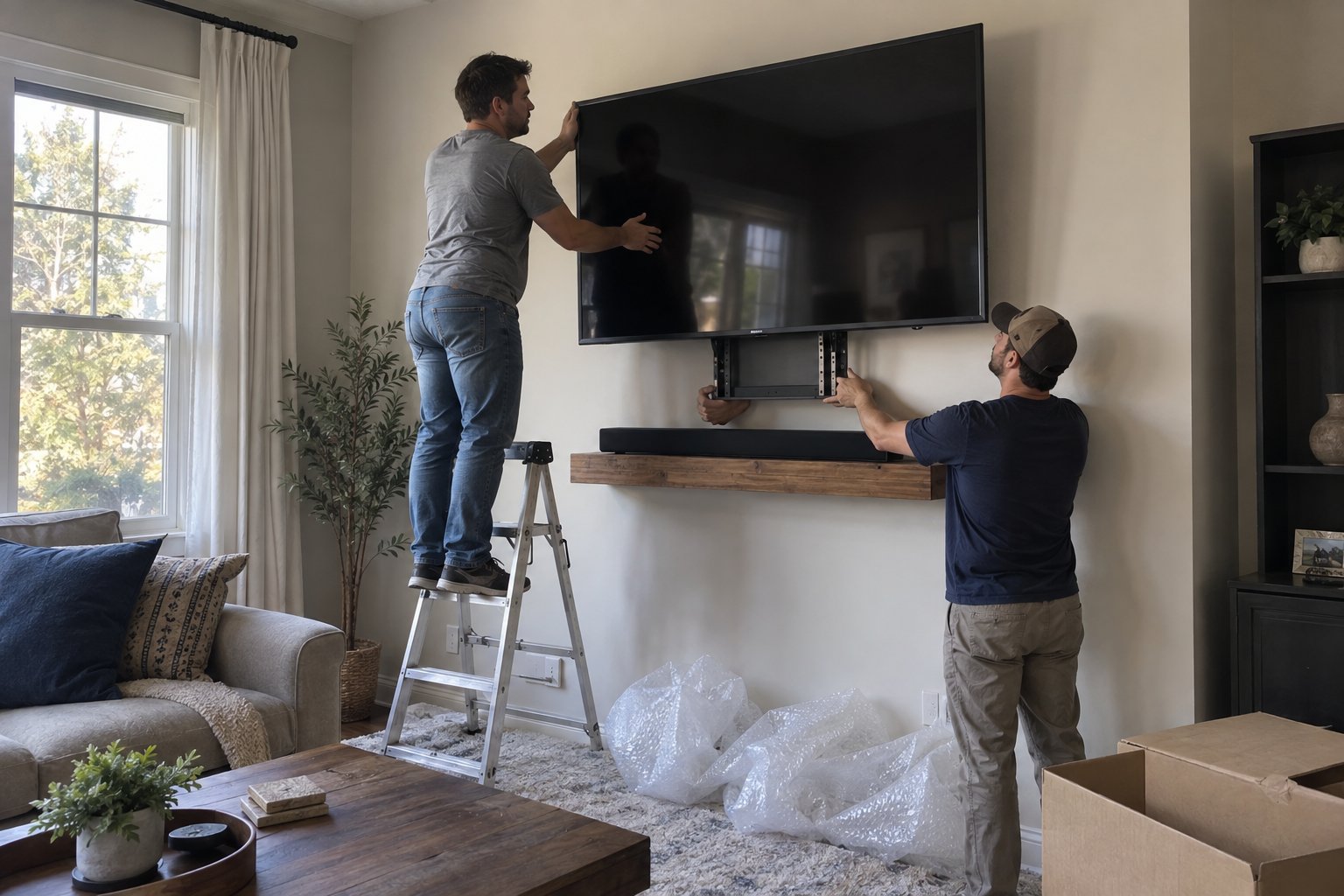
If your moving crew is still on-site for any furniture placement, use that time wisely. Repositioning a sofa is a two-person job; repositioning it alone after the crew leaves is a different situation entirely.
Not all rooms are equally urgent. The classic mistake is to unpack whichever box is on top — which usually means scattering effort across every room at once, leaving nothing finished. The approach that actually works is to complete rooms in priority order.
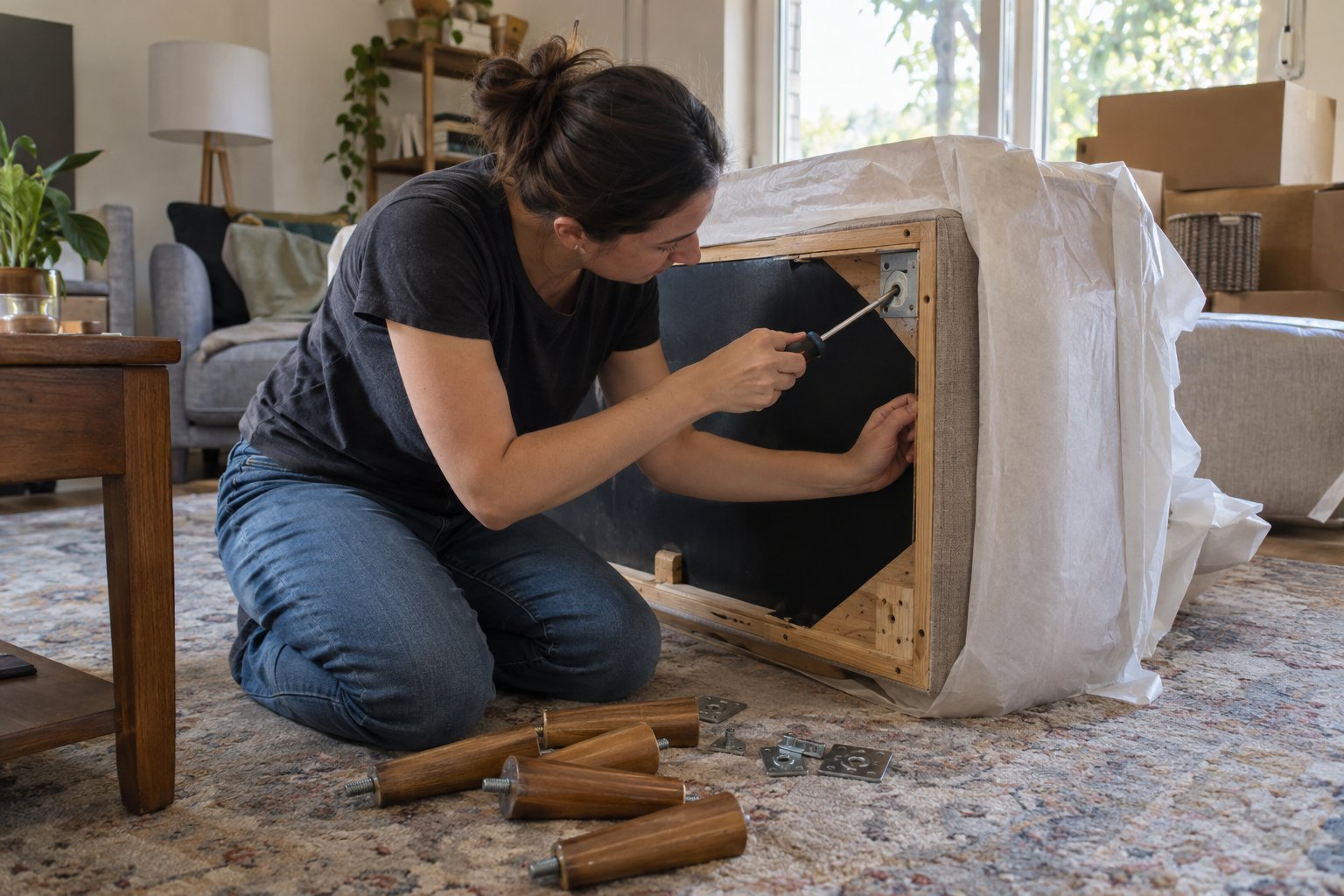
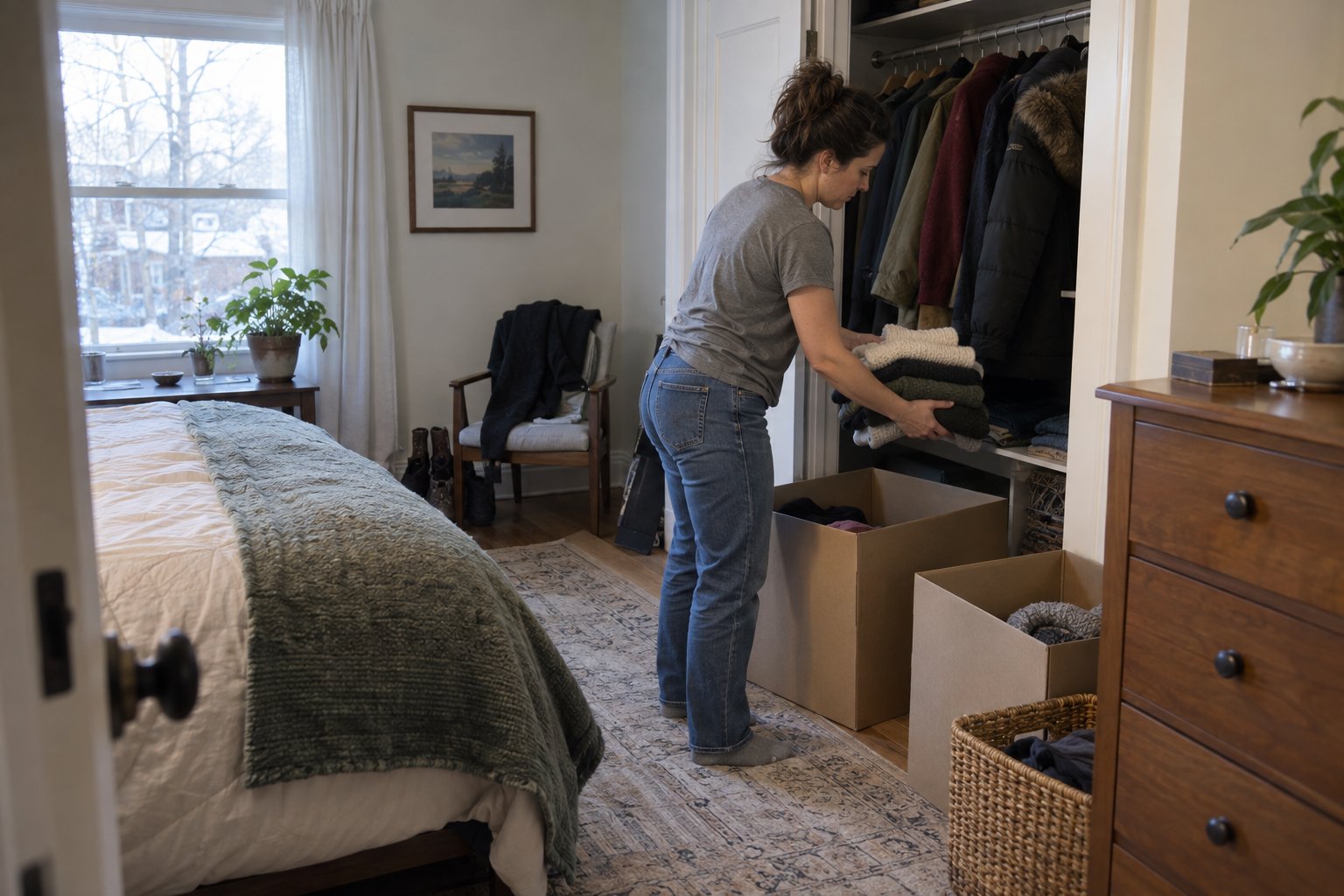
Your bedroom — and the bedrooms of anyone else in your household — should be the first thing you make functional. You're going to be exhausted after moving day. Having a real bed to sleep in that first night makes a significant difference in your energy and mindset for everything that follows. Get the bed frame assembled, the mattress in place, and at minimum a set of sheets and a pillow out before you do anything else.
You don't need to unpack every closet or hang every picture. The goal for day one is simply: this room is livable. Clothes can stay in boxes for another day. The bed cannot.
Bathrooms are almost entirely functional — there's very little aesthetic or layout decision-making required. Get the essentials out: toilet paper, towels, hand soap, shower supplies, and anything you need for your morning routine. A bathroom that works means you can function the next morning without digging through boxes in a panic.
Most people can fully unpack a bathroom in under an hour. It's a quick win that makes the whole home feel more settled immediately.
The kitchen is the most complex room in the home to unpack — and it's also the one that matters most for daily life beyond sleeping. Once your kitchen is functional, you can make coffee, feed your family, and stop relying on takeout every meal. That shift in comfort level is meaningful.
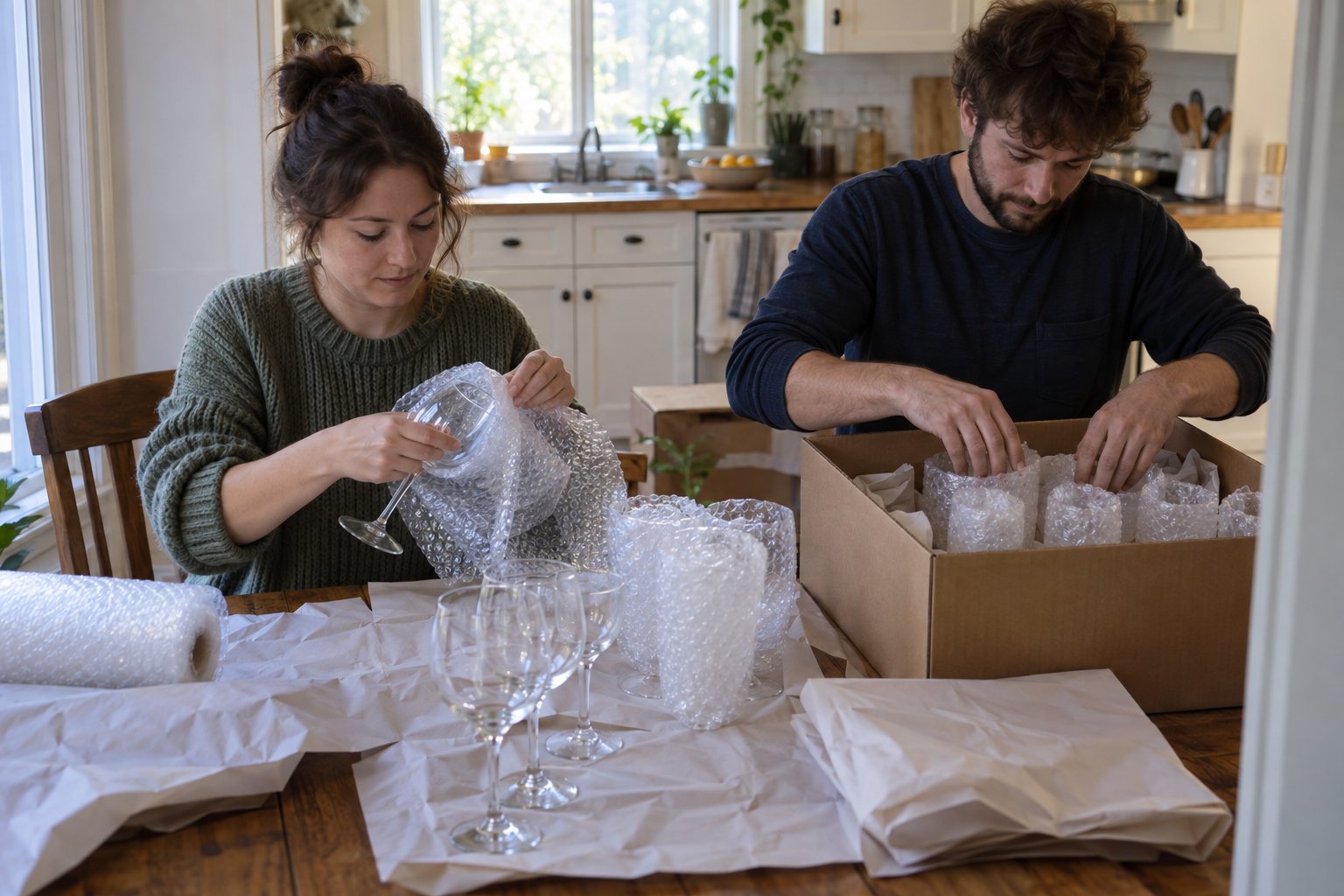
Start with the items you use every day: coffee maker, a set of plates, utensils, a pot, a pan. Get those out and in place before you tackle specialty cookware, bakeware, or anything you use rarely. Unpack what you need first, then fill in around it.
The kitchen is also where thoughtful box labeling pays the biggest dividend. If every box is labeled by category — "pots and pans," "plates and bowls," "pantry" — you can sequence the unpack logically instead of opening everything at once to find what you need.
The living room, dining room, and common areas are where you'll spend most of your waking hours — but they're also areas where you can be flexible for the first few days. Furniture placement matters here, so take your time rather than rushing and rearranging twice. Set up seating and a surface to eat from, then work outward from there.
Decorative items, wall art, and shelf arrangements can come last. They make a house feel like a home, but they don't affect your ability to function day-to-day. Prioritize function first.
The garage, basement, attic, guest rooms, and any storage closets can wait. These are low-urgency spaces that don't affect your daily life while you're settling in. Get every living space functional first, then circle back to storage areas once you have time to think through how you want to organize them.
This is also a good moment to revisit what actually needs a permanent home versus what should be donated or discarded. If you didn't have a chance to fully downsize before your move, unpacking storage spaces gives you a natural second opportunity to cull what you no longer need.
One of the most common unpacking mistakes is trying to finish everything in the first two days. You're running on adrenaline, the boxes feel urgent, and there's a natural pressure to make the new place feel like home immediately. But pushing too hard too fast leads to a specific kind of exhaustion — one where you've gotten everything halfway done and then have no energy to finish.
Rather than working until you drop, set a clear goal for each day. "Today I'm finishing the bedrooms and both bathrooms" is a realistic, completable goal. "Today I'm unpacking everything" is a setup for frustration. Finishing a room completely feels far better than having six rooms half-done.
Flat cardboard boxes start to pile up fast, and they make the space feel chaotic even when you're making real progress. Build flattening boxes into your workflow — as each box empties, break it down and stack it in one designated area. Watching the box pile shrink is motivating, and it also keeps pathways clear so you can work efficiently.
There's a difference between making a room functional and making it finished. On the first pass, aim for functional. You can always adjust where things go once you've lived in the space for a week or two and learned how you actually use it. Many people rearrange rooms multiple times in the first month — and that's completely normal. Don't let the pursuit of perfect placement slow down the basic unpacking work.
Once the practical unpacking is largely done, there's one final layer that turns a functional space into an actual home — the personal touches that make it feel lived-in and intentional.
Bare walls have a way of making even a fully furnished room feel temporary. You don't need to hang everything — even a few key pieces in the main living area and bedroom make a meaningful difference in how the space feels. This is one of the fastest ways to shift a new space from "the place we moved into" to "home."
If you have a porch, patio, deck, or yard, getting even basic outdoor furniture in place extends your usable living space and gives you somewhere to decompress during the unpacking process. A place to sit outside with a cup of coffee can do a lot for your mental state in the middle of a chaotic week.
Unpacking isn't only about boxes. In the first week at your new home, make sure you've updated your address with the post office, your bank, your insurance providers, your employer's HR department, and any subscription services. These are easy to forget in the physical chaos of unpacking, but a piece of important mail going to the wrong address can create real problems.
If you're still in the process of planning your full move and want a structured approach to everything leading up to this point, the moving day timeline and checklist is a good place to start — it covers the full day from the morning of the move through the final walkthrough of your old home.
The most practical order is: bedrooms first (so you have a place to sleep that night), bathrooms second (so your morning routine is functional), kitchen third (so you can cook and eat at home), main living areas fourth, and storage spaces, garages, and guest rooms last. This sequence prioritizes function and daily livability over completeness.
Most households can get all the essential rooms functional within two to three days of moving in. Full unpacking — including storage areas, decorative items, and final organization — typically takes one to three weeks depending on the size of your home and how much time you can dedicate each day. Trying to finish everything in a single day usually leads to burnout and half-finished rooms.
That depends on your schedule, budget, and the size of your move. Many moving companies offer unpacking services as an add-on to a standard move, which can be especially useful if you have a large home, a tight timeline, or are managing a move with young children or other demands on your time. If you're considering professional help, ask your moving company whether unpacking assistance is available when you book.
On moving day specifically, prioritize your essentials bag — the items you packed separately for immediate access. This typically includes bedding, towels, a phone charger, basic toiletries, a change of clothes, and any medications. These items should never go on the truck; keep them in your car so they're available the moment you arrive, regardless of how long the rest of the unpack takes.
The best tool for organized unpacking is the work you did before the move — specifically, labeling every box with its destination room and contents. When each box is in the correct room before you start opening things, the unpack stays contained and manageable. If boxes weren't labeled well, do a quick sort by room before you start opening anything. Unpacking room by room to completion, rather than opening boxes across multiple rooms at once, also keeps the process organized and trackable.
Whether it’s a full home move or just a few heavy items, Hustle and Muscle Moving is ready to help you sort it out.