.webp)
Written by:
Pierce J.
Published:
September 23, 2026
Learn what to pack last, load last, and unpack first so moving day and your first night in the new place aren't a scavenger hunt through sealed boxes.
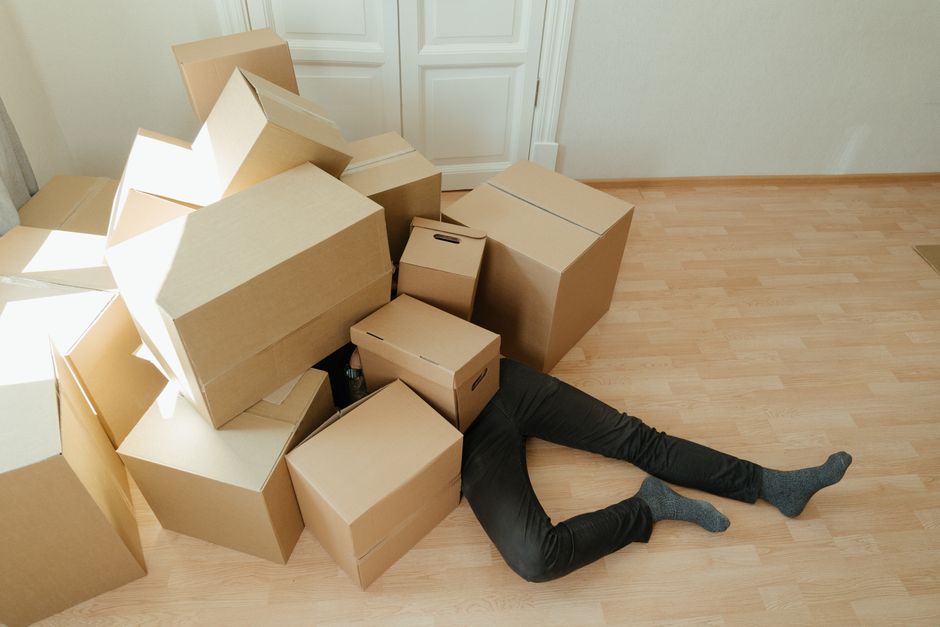
The items you pack last are the same items you need first, and that is exactly the point. If you seal everything into identical brown boxes on day one of packing, you will spend your first night in the new place cutting tape open with a butter knife, hunting for a phone charger at 11pm. Knowing what to pack last when moving means building a short, deliberate list of things that stay accessible until the truck door closes, and get pulled out before anything else when it opens again.
This is not the same question as how to pack a house room by room. It is about sequencing: what goes into boxes on move week versus move day, what gets flagged so it never ends up buried under the sectional, and what should never go on the truck at all. Get the order right and your first 24 hours in the new home run smoothly even if the rest of the unpacking takes weeks.
Pack last anything you use daily and cannot easily replace or go without for even one night: toiletries, medications, phone chargers, a change of clothes, pet supplies, and basic kitchen items like a coffee maker or kettle. These are the last things to go into a box and the last box loaded, so they come off the truck first.
A practical way to think about it: walk through your morning and evening routine and picture yourself doing it in a house with 40 sealed boxes and no idea which one has your toothbrush. Everything you touch in that mental walkthrough belongs on the last-packed list. That usually includes:
If you are also disassembling furniture the morning of the move, keep the hardware for each piece in a labeled bag taped to the item itself rather than tossed into a miscellaneous parts box. That single habit prevents most of the "which bag has the bed frame bolts" scrambles we see on moving day.
An essentials box is a single, clearly marked container that holds everything from the "pack last" list in one place, so you are not opening ten boxes to reassemble a normal morning. One box per household is rarely enough; plan on a kitchen essentials box and a bathroom/bedroom essentials box separately.
Use a box in a different color, or wrap it in bright tape, so it stands out against the wall of matching brown boxes in a new living room. Label it in large letters on the top and at least two sides, not just one, since boxes get stacked and turned during loading. Inside, keep a printed list taped to the lid of exactly what is in there, which saves you from re-opening it just to check.
What belongs in the kitchen essentials box: a couple of plates, cups, and utensils per person, a pot, coffee or tea supplies, dish soap, and a sponge. What belongs in the bathroom and bedroom box: towels, shower basics, bedding for one night, and phone chargers. Keep both boxes out of the truck's general load and instead in your car, or the very last thing loaded and first thing pulled off.
Whatever you need first at the new house should physically go onto the truck last, since movers typically unload in the reverse order things were loaded. If your essentials boxes get loaded first thing in the morning along with the couch and dresser, they will be buried under six hours of boxes by the time the truck backs up to the new driveway.
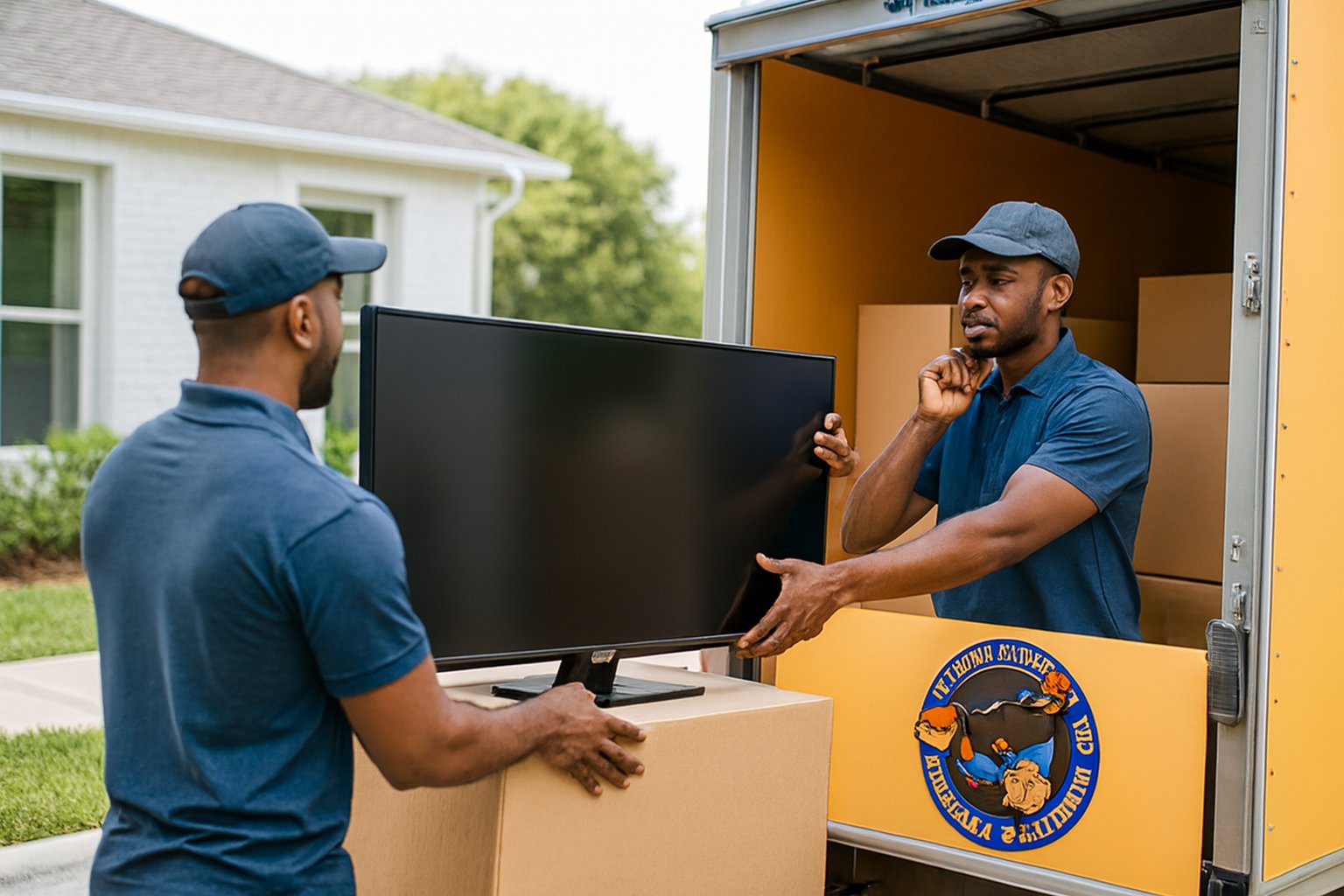
Tell your crew, or plan your own loading order, so the last hour of loading is essentials boxes, a bag with basic tools, and anything you want in hand within the first ten minutes at the new place. If you are working with professional movers, a quick conversation before loading starts about which boxes need to come off first goes a long way. Crews who handle local and long distance moving jobs every week are used to this request and will usually flag those boxes for you if you ask.
If you are driving a personal vehicle in addition to the truck, the simplest fix is to keep essentials boxes, valuables, and important documents out of the truck entirely and in your own car. That way nothing depends on load order at all.
Certain items should never be treated as regular packed inventory at all: cash, jewelry, passports, birth certificates, medical records, prescriptions you need daily, and anything irreplaceable like family photos or heirlooms. These travel with you personally, not on the truck, regardless of how the rest of the move is organized.
Keep a single folder or small lockbox for documents and carry it the same way you would carry a laptop bag: it stays with you from the old house to the new one, full stop. This matters most on long moves where the truck may not arrive the same day you do. If you are relocating out of the area, our guide on long distance moving costs covers what typically extends timelines and why keeping essentials separate from freight matters even more over distance.
Unpack in the reverse order you packed: essentials boxes first, then the kitchen, then whichever bedroom you will sleep in that night. Everything else, the garage boxes, the guest room, the closet full of off-season clothes, can wait a week without affecting your ability to function.
A workable first-night sequence looks like this: set up one bed, make sure the bathroom has towels and toiletries within reach, get the kitchen essentials box open so you can make coffee in the morning, and confirm the essentials box with chargers and a change of clothes is not still on the truck. Everything beyond that is a "tomorrow" problem. Trying to fully unpack the day you move in is how people burn out and end up living out of half-open boxes for a month instead of a week.
If you are moving into a place with more square footage or more rooms than your last one, pace this out over several days rather than one long push. Our guide to what to do when you move into a new home walks through that first-week sequence in more detail, from utilities to room-by-room unpacking order.
If you are hiring a crew for full-service packing, tell them in advance that one or two boxes need to stay separate and travel with you, not on the truck. Most professional packing teams are glad to set these aside once you flag them, but they will not guess which boxes matter most unless you say so before packing starts.
A five-minute conversation before the crew begins, pointing out the essentials box and asking that it ride in your vehicle instead of the truck, avoids almost every version of this problem. Teams that offer packing services pack efficiently and fast, which is exactly why unmarked boxes can get swept into the general load if you have not called them out ahead of time.
Most households need two: one for the kitchen and one for bathroom and bedroom basics. A larger family or a move with a gap between move-out and move-in day may want a third box for pet supplies or kids' items.
Keep it on you or in a bag you carry personally. Chargers are small enough to get lost in a box of cables and important enough that losing access for even a few hours is genuinely disruptive.
Passports, birth certificates, social security cards, medical records, and financial documents should travel with you in a folder or lockbox, not on the moving truck, regardless of how short or long the move is.
Either works as long as it does not get buried. If there is any risk the truck will be loaded in a way that buries it, put it in your own vehicle instead so access does not depend on load order.
Open the bathroom and bedroom essentials box first so you can get one bed made and access toiletries, then move to the kitchen essentials box so you can make coffee or a simple meal the next morning.
Whether it’s a full home move or just a few heavy items, Hustle and Muscle Moving is ready to help you sort it out.